

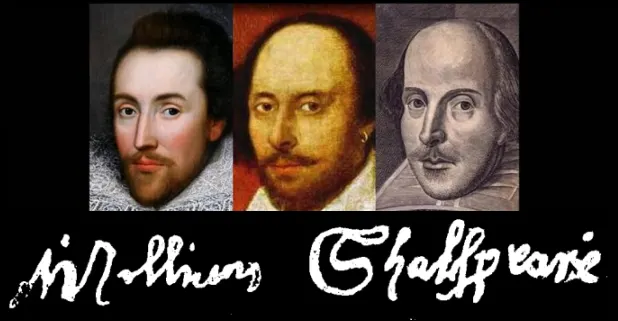

Sonnet 1: From fairest creatures we desire increase BY WILLIAM SHAKESPEARE
1.From fairest creatures we desire increase,
2.That thereby beauty’s rose might never die,
3.But as the riper should by time decease,
4. His tender heir might bear his memory;
5.But thou, contracted to thine own bright eyes,
6.Feed’st thy light’s flame with self-substantial fuel,
7.Making a famine where abundance lies, 8.Thyself thy foe, to thy sweet self too cruel.
9.Thou that art now the world’s fresh ornament
10.And only herald to the gaudy spring,
11. Within thine own bud buriest thy content,
12.And, tender churl, mak’st waste in niggarding.
13.Pity the world, or else this glutton be,
14.To eat the world’s due, by the grave and thee.
CLICK HERE TO READ THE SYNOPSIS AND THEMES IN THE GODS ARE NOT TO BLAME*..
PARAPHASED MEANING
1. We beautiful creatures desire to give birth
2. so that our beauty will never be lost.
3.But as we approach our demise(death ),. 4.we shall pass on our qualities unto our children who will keep our memory(qualities).
5.But you, absorbed in your own self(selfish) ,
6. do things your own way and do not want to share or transfer your qualities (beauty) .
7. This behavior causes famine(reduction in the population ).
8.while there is abundance of humans to procreate with.
9. You are an enemy to yourself, as you love yourself(body) and are wicked at the same time because you are failing to procreate.
10. You are in a higher demand (youthful age ) which is the best part of life to give birth.
11. But you destroy your own chances to give birth as you waste this tender period
12. And you continue to store your beauty instead of sharing(reproducing )
13.Have mercy on the world and give birth or continue to be someone who will keep your beauty to yourself,
14. and be like the grave(death ) who eats the beauty he owes to the whole world.
Meaning of the poem
Sonnet 1 is the first of 154 sonnets written by Shakespeare .All his sonnets have the same scheme abaabcdcdefefgg and with the same divisions of three quatrains and the last rhyming couplet. Sonnet 1 is part of the first 17 sonnets that focuses on a young man’s deliberate attempt keep his beauty instead of procreating or having children so he could pass on his lovely genes to a new generation. It is noted that he is selfish(self -absorbed) and his actions will result in the reduction of the population. This is one of the better poems in the series of Fair Youth Sonnets, which has been speculated to be the first amongst his sonnets , some also argue that it wasn’t the first but was chosen as the first sonnet in the folio because it is so compelling and talks about procreation which is the first step into world.
Themes in the poem
The theme of Immortality. In the poem, we are told that the personae will be immortal once his children transfers his beauty and qualities. Childbirth is the only way one could become immortal. Once we die, we are gone but our children will keep as alive as they will continue to exhibit the qualities we pass on to them.
“That thereby beauty’s rose might never die,
3.But as the riper should by time decease,
4. His tender heir might bear his memory”
Again, The passage of Time is also another theme in the poem. Time is inevitable. The youth will grow old and then die. The mention of “riper” connotes old age, “Fresh ornament” also means the youthful stage. This shows that time is indeed inevitable and passes swiftly.
Moreover, procreation also a dormant idea in poem. The youth desire to procreate so that their beauty will be eternal as offspring will immortality them even after their demise.
“From fairest creatures we desire increase,
2.That thereby beauty’s rose might never die…”
CLICK HERE TO READ THE SYNOPSIS AND THEMES IN THE GODS ARE NOT TO BLAME*
In addition, Selfishness. The youth is selfish and wants to keep his beauty to himself instead of sharing. “…contracted to thine own bright eyes…”,He keeps destroying and wasting it chances of procreating. The consequences of his action is causing “famine where abundance lies” …causing depopulation . Not only this but his beauty or qualities will be lost when he dies because he failed to produce heirs who will continue with the process of keeping his legacy.