

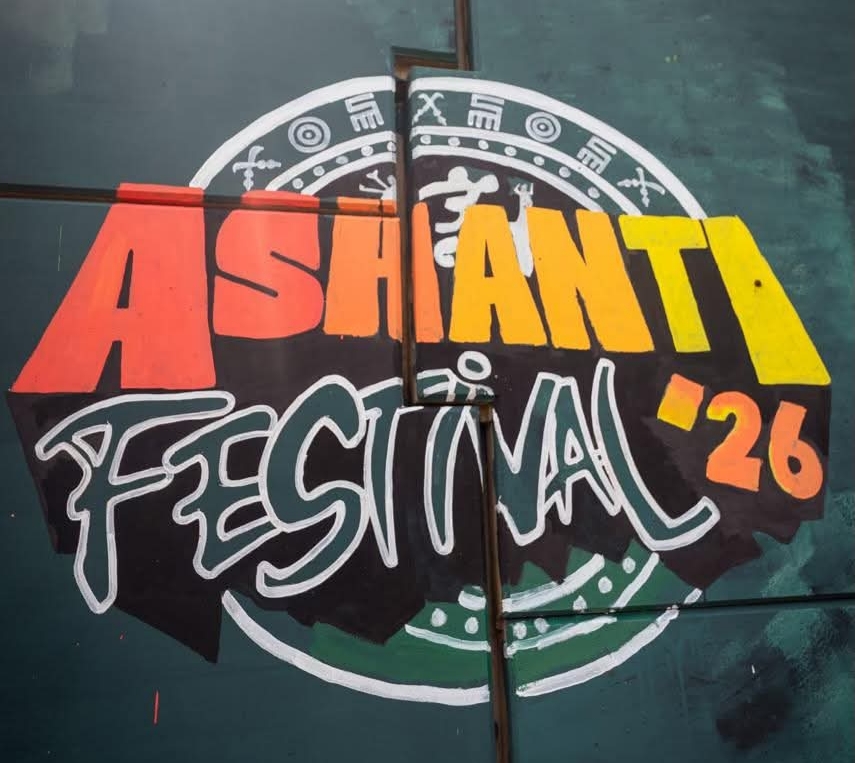
THE STRENGTH OF THE ASANTE: MEMORY, IDENTITY, ENDURANCE, AND THEATRE
There are strengths that don’t announce themselves. No thunder, no fanfare, just a steady presence that refuses to break. The kind that remains. The kind that endures. That unshakable force is one of the defining truths of the Asante people.

Encounter with Empire
During the Anglo-Asante Wars, the British arrived with the machinery of empire; guns, strategy, and an air of certainty. Yet what they encountered in the Asante was not easily subdued. It was something rooted deeper than weaponry: unity, identity, and pride.
The Asante were not merely a people; they were a system, a living structure of culture and authority. Even after moments of great loss, like the Battle of Akatamanso, they did not dissolve into silence. They endured. Wounded, yes. Broken, no. Like a lion that retreats into the tall grass, not defeated, only waiting.
Treaties and Shifting Power
The political tides shifted in 1831 with the signing of the Anglo-Asante Treaty at Cape Coast Castle. While it was framed as a step toward peace, it also opened the gates for growing British influence along the coast. The British extended their reach, working alongside groups such as the Fante, Assin, Akyem, Denkyira, and Ga-Adangbe, sometimes through diplomacy, sometimes through pressure, and often through the steady expansion of power.
By 1872, the balance shifted further. With the Dutch and Danish departure from the coast, British authority deepened, reshaping trade, governance, and daily life in the region. The ripple effects reached far beyond agreements and treaties. They touched identities, economies, and destinies.
Kumasi and the Weight of Loss
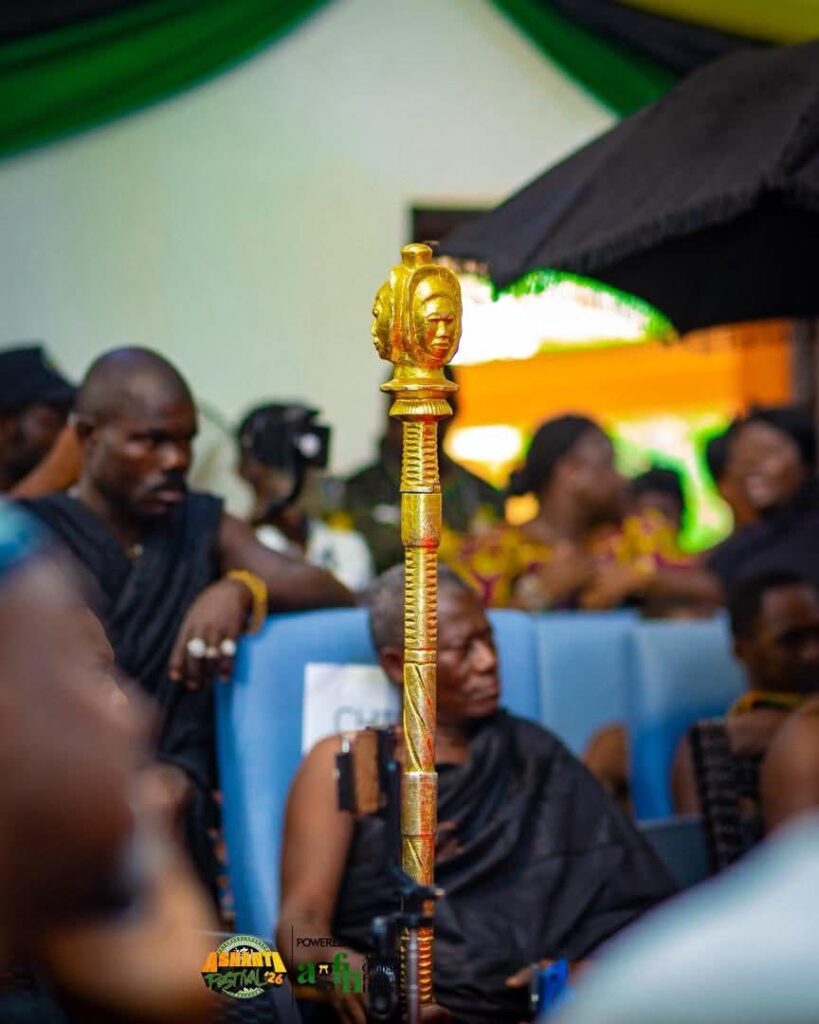
When British forces entered Kumasi, they encountered a kingdom of remarkable organization and cultural sophistication. The Asante Palace stood as more than a physical structure, it was a symbol of leadership, tradition, and intellectual order. Yet, in the aftermath, many sacred objects were taken; gold, regalia, and artifacts that carried generations of memory. These were not mere possessions; they were identity made tangible. Their removal was, in essence, the removal of fragments of history itself.
War leaves behind more than political change—it leaves grief. The loss of leaders like Amankwatia, the destruction of parts of Kumasi, and the countless personal tragedies etched themselves into the collective memory of the people. These are the kinds of wounds that time does not erase; they simply become part of the story.
When History Finds a Stage
And stories like this do not fade. They transform.
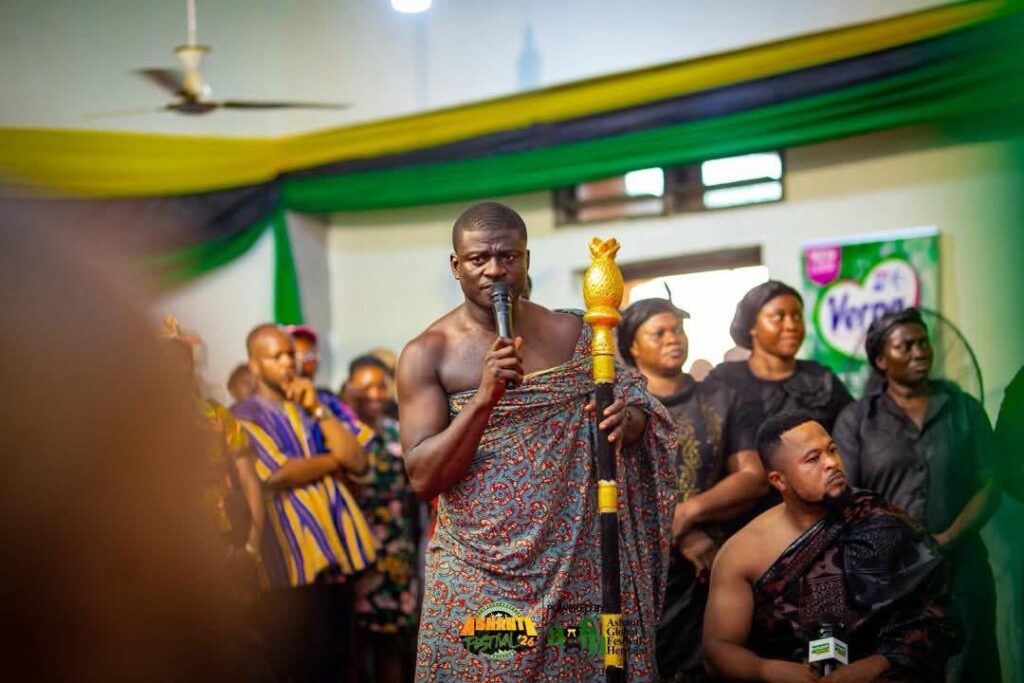
One powerful way this history has been reimagined is through theatre. The play Sagrenti War, written by Emmanuel Jewel Peprah Mensah, brought the Anglo-Asante experience to life on stage. First performed in 2024 at Kwame Nkrumah University of Science and Technology as part of celebrations marking Otumfuo’s 25th anniversary and 150 years since the war, the production later found new life at AshantiFest 2026.
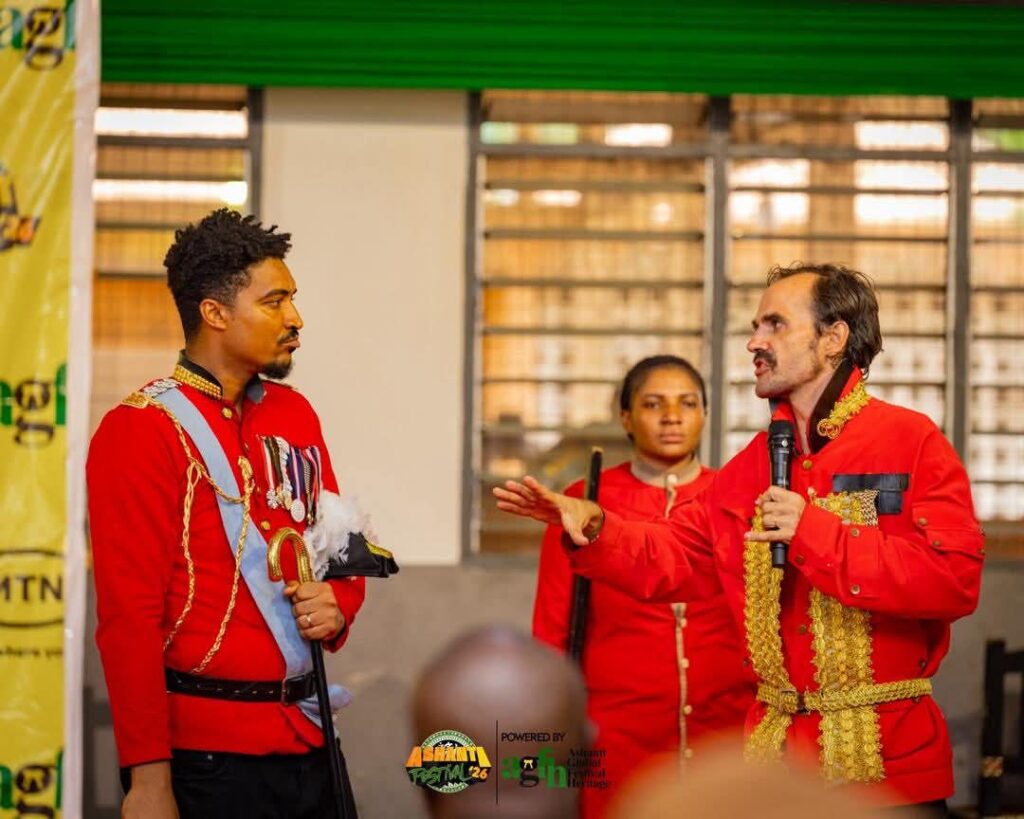
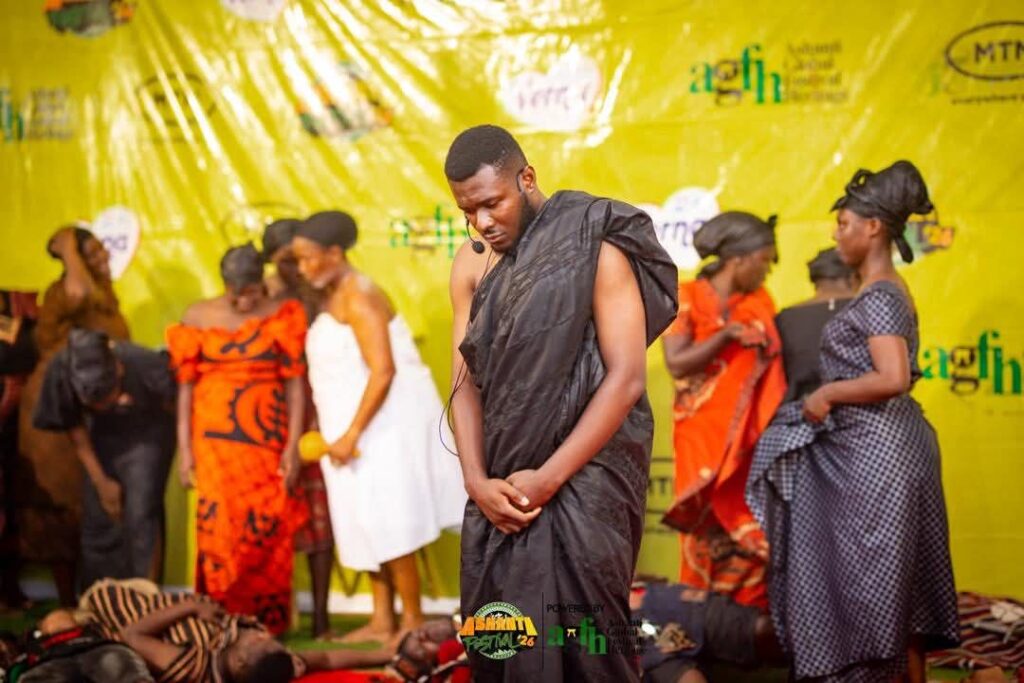
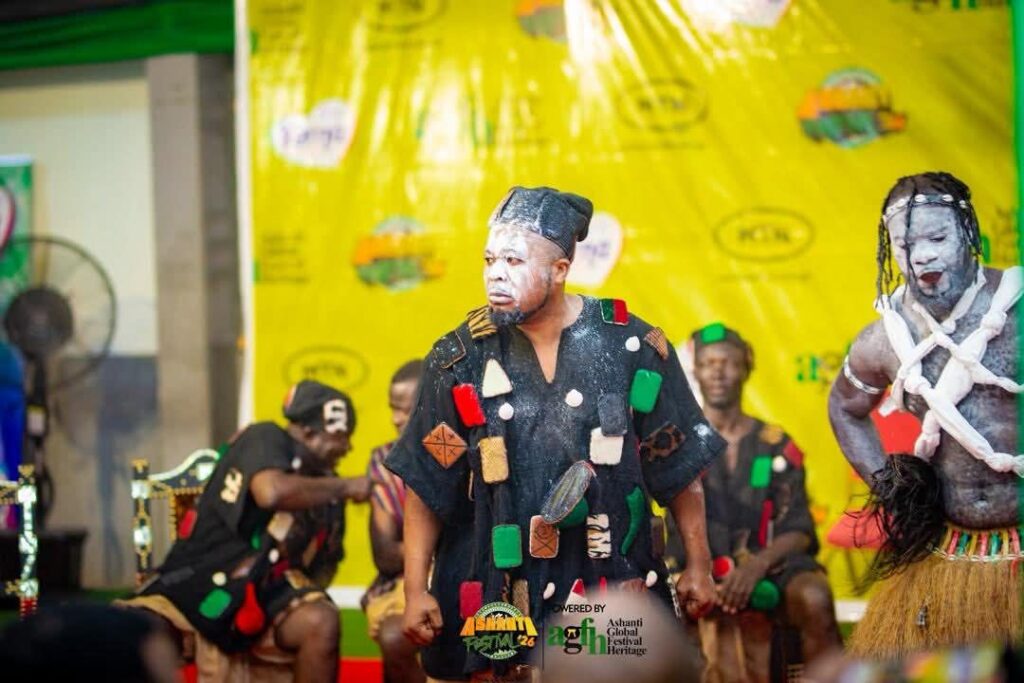
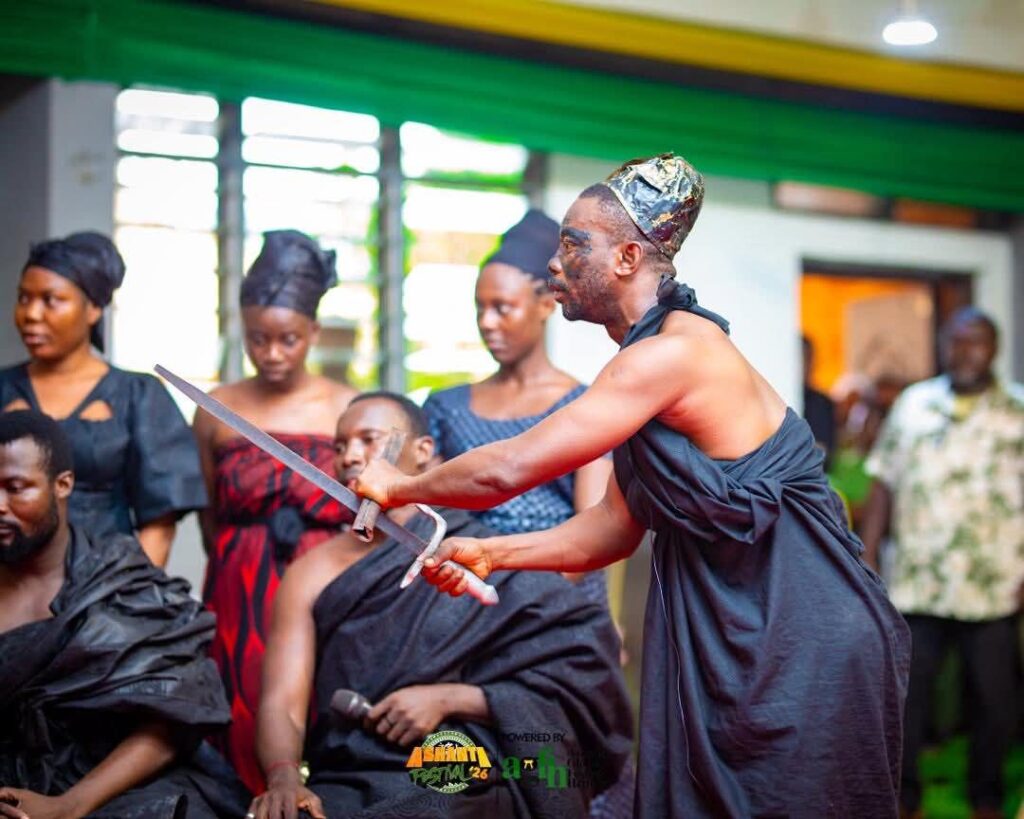
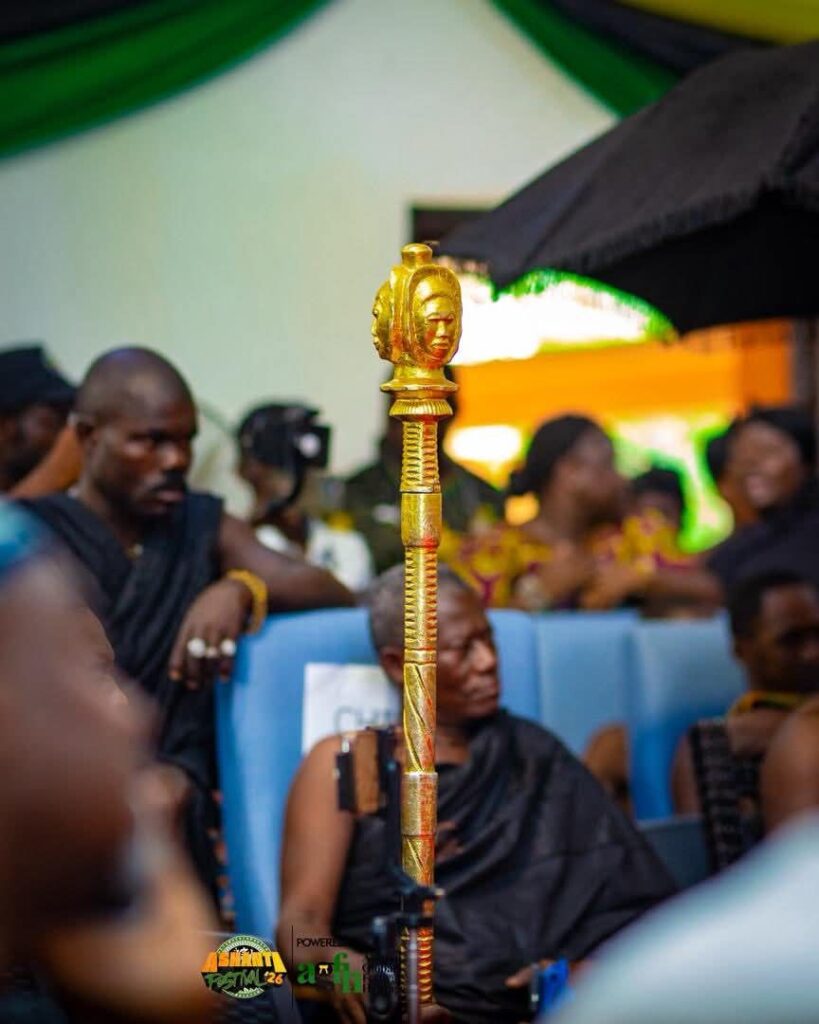
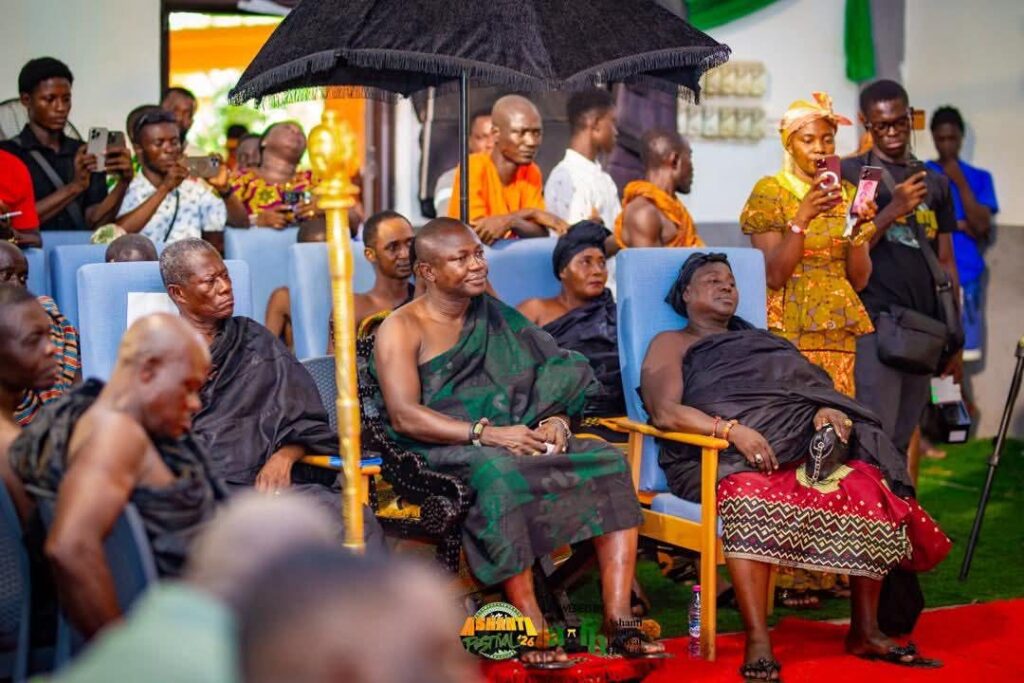
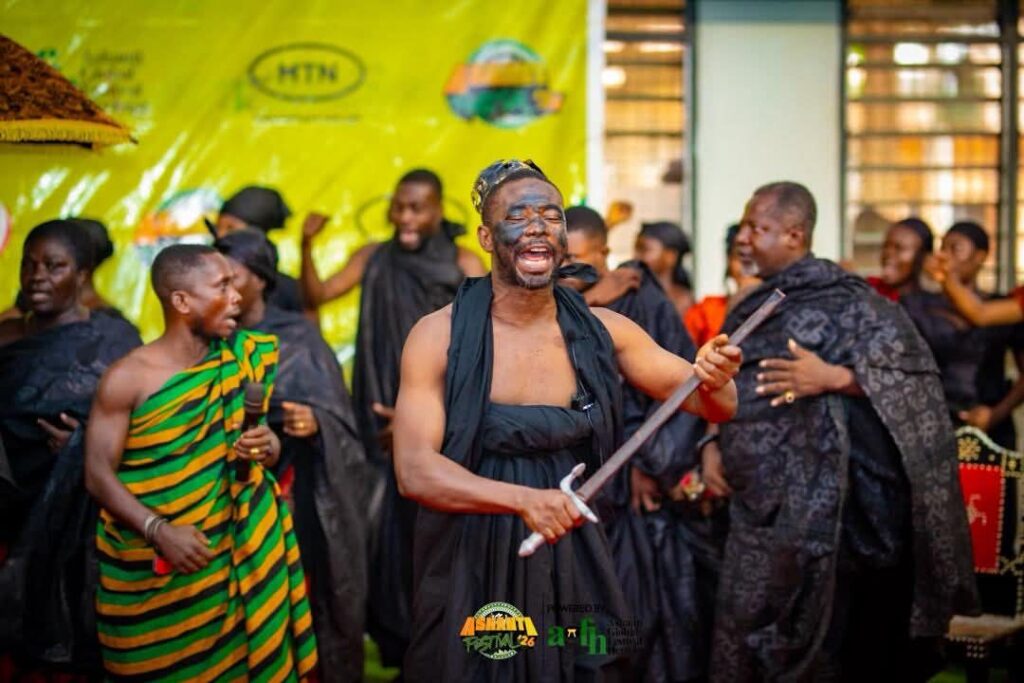
This time, students from the University of Skills Training and Entrepreneurial Development (USTED) took center stage. Under the guidance of Sylar Bobobee, who narrated the story, they didn’t just perform, they embodied the past. Kings. Warriors. Colonial figures. Each role carried weight. Each moment carried memory.
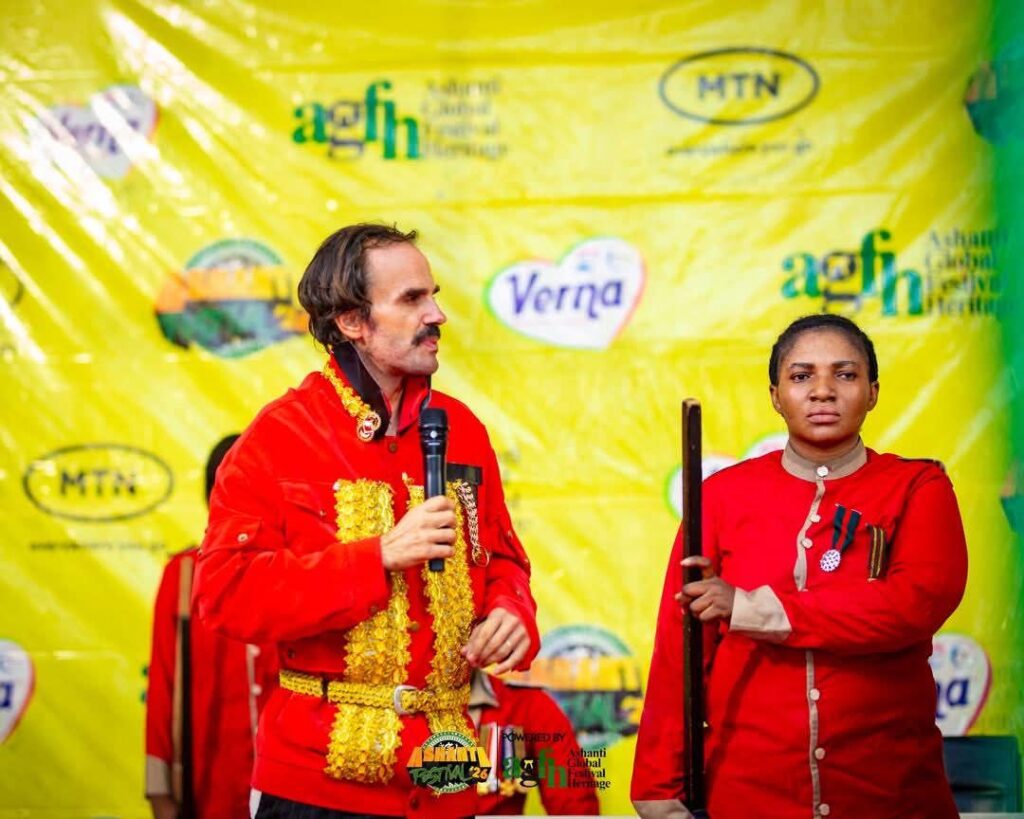
Working alongside groups such as the Anokye Drama Troupe from the Centre for National Culture and Drama Arena GH, they rehearsed for only a few days. Yet, what they lacked in time, they made up for in commitment. By the time they reached Fomena, the performance had transcended acting—it had become a lived experience, a retelling that felt immediate and real.
AshantiFest: A Shared Memory Reawakened
At Fomena, where the play was staged as part of the numerous activities of AshantiFest 2026, the audience was diverse; The Ashanti Regional minister, chiefs, queen mothers, leaders, and members of the public. But as the performance unfolded, distinctions faded. What remained was shared feeling. The pain. The pride. The resilience. For a moment, everyone in the room stood inside the same memory.
When the final scene ended, the applause was not merely for the performance, it was for the truth it carried. For the courage it took to relive history. For the discipline behind the craft. For the decision to remember.
Behind the scenes, the Centre for National Culture ensured everything came together seamlessly. Yet the most important outcome wasn’t logistical, it was personal. The students left changed. They did not only learn lines; they inherited stories. They did not only perform; they connected to history, to identity, to something larger than themselves.
Identity in a Connected World
In today’s world, where borders blur and cultures meet, identity still travels with people. Kumasi welcomes visitors. London welcomes Asantes. Exchange is constant. But identity is not diluted by movement—it is carried, reshaped, and preserved.
The Strength That Endures
The story of the Asante is not confined to war. It is a story of unity. Of resilience. Of a people who knew who they were and refused to forget it.
And that is why it still matters.
Because some strength does not need to shout.
It simply refuses to disappear.
Written by Sylar Bobo-Bee
You are doing so well,I pray this talent of yours doesn’t only end here but takes you places you’ve only dreamed of……it will pay off someday.
DON’T EVER GIVE UP.
I’M PROUD OF YOU 👏🏼