

SYNOPSIS OF THE PLAY
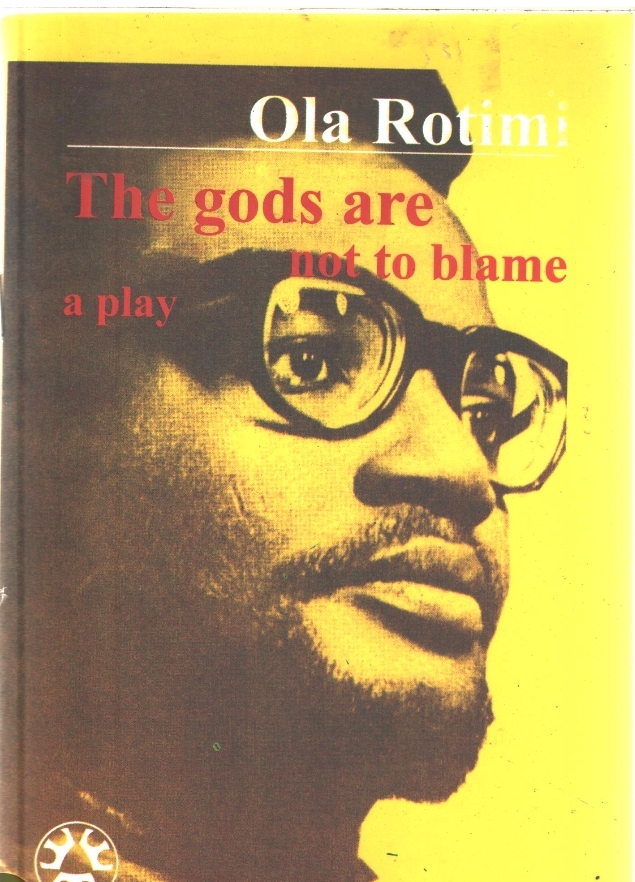
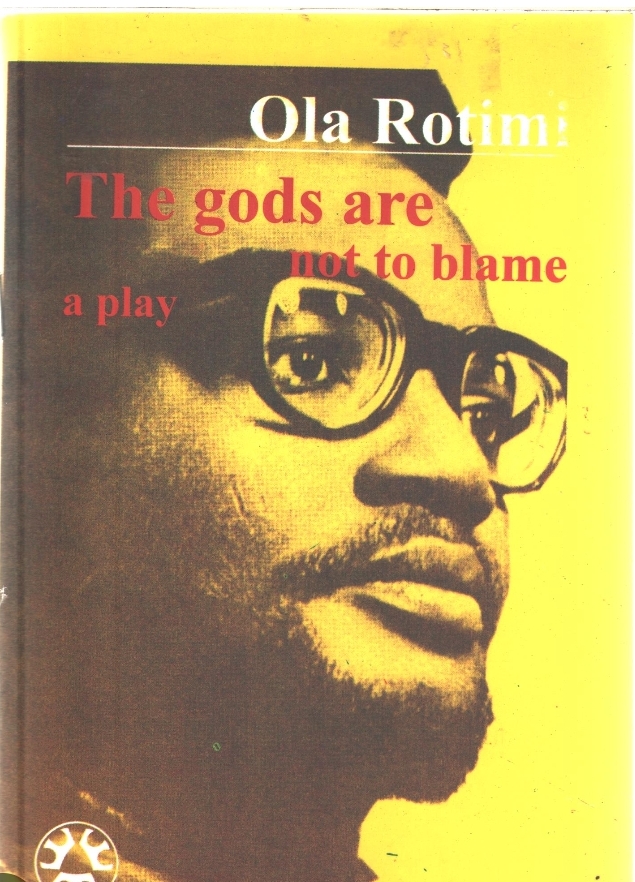
The gods are not to blame is a tragedy adopted from Sophocles’ Oedipus Rex, and Africanised to suit the setting in the Yoruba town of Kutuje. The play was written by Ola Rotimi in the year 1968 and recounts the land of Kutuje plagued by series of calamities following the coronation of King Odewale. Everybody, including the king, begins to look for remedy to the problem. This triggers King Odewale to send Prince Aderopo to Ile-Ife to seek divination from the Ifa Oracle. The Priest puts it succinctly, “We have sent Aderopo to Ile-Ife, the land of Orunmila, to ask the all-seeing god why we are in pain.” (p. 12). Unfortunately, Aderopo returns and refuses to unravel the information received from Ile-Ife. Following this event, Odewale requests for the Ifa Oracle diviner, Baba Fakunle from Oyo and upon his arrival, he declines to solve the riddle. This enrages Odewale who suspects that the diviner has teamed up with Aderopo, his (Odewale’s) perceived enemy. Tensions between the duo of Odewale and Fakunle degenerate into physical assault which is a demonstration of hubris (i.e. hot temper) in the king.
At this stage, the play hinges on a flashback that eventually reveals Odewale’s past as the accursed child who would kill his father and marry his mother. Having been caught in this web, Odewale realizes that he has brought misfortune upon his people. He, therefore, blindfolds himself and abdicates the throne for an unknown destination while Queen Ojuola (Odewale’s mother and wife) commits suicide.
THEMES IN THE PLAY
Incest is Cancerous: Incest is one of the key themes in the play. The calamity was caused by an abomination committed by King Odewale. It may be argued that it was the will of the gods ,but in another sense the effect on the community was very detrimental and resulted in Odewale plugging out his eyes and banishing himself together with his children, not forgetting the suicide by Queen Ojuola.
Theme of Predestination
Predestination communicates the idea that man’s struggles is in vain or futile because He cannot do anything to change his fate.
Odewale is fated from birth by the gods to kill his father and marry his mother. Every effort by men to thwart this destiny only brings Odewale even closer to the trajectory of that destiny.
After the divination about his future, the Crown orders Gbonka to take Odewale to the evil groove where he would be killed. In the evil bush, Gbonka’s emotions get the better of him and he spares him. Many years later, Odewale’s fear of killing his father and marrying his mother makes him flee from his foster parents. It brings him to the farm where he kills his real father and to Kutuje where he marries his real mother. This indeed shows that there is no escaping the bad destiny set for him by the gods.
The gods manipulate the innate qualities of man so Odewale fulfills his destiny: fear in King Adetusa and his wife; compassion and kindness in Gbonka; and in Odewale’s case, a combination of fear, curiosity, ethnic bigotry, hot-temperedness, violence, and impatience.
Click Here To Read The Analysis Of The Poem “Telephone Conversation“
Theme of Patricide
Patricide refers to the act of killing one’s father. This is the central emphasis of Odewale’s birth prophecy: “He would kill his father, and marry his mother”.
Odewale kills an old man on his farm in Ede, at a place where three paths meet. The old man turns out to be his biological father, King Adetusa.
Odewale therefore fulfils a core part of his destiny. The idea of a son killing his father as revealed by the priest’s prophecy and its fulfilment highlights the issue of patricide in the text.
Anger and Pride.
Anger and pride triggered most the fall of King Odewale. It is this tragic flaw that leads to his downfall.
Baba Fakunle confirms this during his encounter with Odewale: “Your hot temper like a disease from birth is the curse that brought you trouble”.
Odewale can never be controlled when he is angry. Nothing holds him back. He goes all-out to do regrettable things on impulse. His easily triggered anger makes him kill a man who would later turn out to be his real father when he was humiliated
Alaka, his childhood acquaintance also agrees to the fact that He is hot-tempered.
He says ” Odewale, I didn’t teach you got temper” though! Pg(44)
Besides, his pride shows in his relations and encounters with his chiefs, Aderopo, Baba Fakunle, and even Alaka whom he manhandles for his reluctance to set straight the details of Odewale’s origin. He attacks the old seer with impudence.
With his relationship with his half-brother Aderopo. At the tail end of this confrontation, He fails to swallow his pride and swears by Ogun that may he never see Aderopo with his two eyes. And true to his words, the next time the two meet, Odewale has lost his sight.
These qualities lead him to his tragic end.
The theme of Good Leadership
Although Odewale had anger issues and trust issues, He still possessed some level of good leadership. He is epitome of good leadership.
Odewale is the kind of leader that listens to the clamors and complaints of his people; the kind of leader that identifies with their fate. He is a problem-solver, a goal-getter, and an efficient, proactive leader.
The people of Kutuje owe their victory over the Ikolu warriors to Odewale’s good and efficient leadership. The quick unraveling of King Adetusa’s murderer is also a demonstration of the kind of leader he is – elsewhere, such a case would have taken forever to unearth.
Click Here To Read The Analysis Of The Poem “Telephone Conversation