

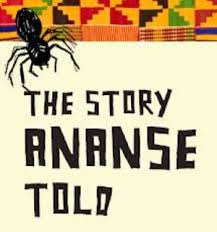
Critical Analysis Of Martin Owusu’s The Story Ananse Told
“The Story Ananse Told.” a play by Martin Owusu is the epitome of “Sank)fa” in the sense that it reclaims the Ghanaian theatre (Anansegro) way of telling stories that our colonial masters made us despise.
“I am Okontompo Kweku Ananse.
For a million years I have lived on this earth.
I get into trouble always but I never die.
If you challenge me ,I make you cry,
Or if you like, laughter will make you sick
When I reveal to you a little trick.
All stories—myths and legends belong to me:
Those about the elephant, the hunter, and the bee.
Yes I bought Anansesem with my wisdom
From nana Nyankopon now in His Kingdom”
By ANANSE(Pg 1)
Summary of the play
“The Story Ananse Told” is a play which speaks about an “Osugyani” a bachelor ,hunter who transforms into a King by the help of an antelope(god ) He encountered on his hunting expedition. The antelope pleaded with him not to eat its head after killing it but to hang it on his wall promising that it would “do something” for him in exchange. The antelope’s head turns out to be a Princess who was to marry a river—god Pra but refused and was cursed to be an antelope by the river god and a lucky hunter to kill the antelope will revert the curse and marry her.
The hunter later becomes a king and promises the antelope’s head (Queen) that he will fulfill all her promises namely( keeping her real identity secret, not coughing while sitting on the throne, not falling in love with any other woman except the Queen(antelope’s head) And keeping the hanging drum unbeaten. The King( hunter ) falls in love with another lady and breaks all the oaths. He reveals the identity of the Queen and the Queen also in return reverses the spell and turns the King back into his old poor state as a hunter.
Themes
Greediness: The Osugyani(the Hunter) was greedy, he wasn’t content with what he had and was power conscious, exhibited below : after the woman transforms him into a king ,he asks immediately
“King:yes but there are no people! Am I king over empty buildings?
Woman: no…
King: but where are the citizens, my subjects to whom I give orders?
Woman: I can I see you love power…..”(pg 9).
The Okyeame is also no exception, he is also deceived by the monsters to tell them the secrets of the King and tells them because they promised him of a gold in return.
“Monster Queen: Then you will be King and my Daughter will be Queen,but you keep this a secret?
Okyeame: give me my gold and no man will hear of it.”(pg 58)
Betrayal
Okyeame Betrays the King and the Queen when he goes to the forest ,he discloses everything secret to monsters.(act 3 pg 33-34)
Also, Ananse betrays the king ,he seduces him to play the forbidden drums which instantly calls the monster to pick the King away .
The greatest betrayal was following the first(playing of the drums, act 2, pg14)was when the Queen catches King ready to make love with the Monster Princess(act 4 pg 45),the King Immediately coughs to pretend, and the jealous Queen angry at him. King Immediately reveals her origin(act 4, pg 46) causing a reversal to mere a hunter and for the dinner of the monsters .
Selfishness
Due to selfishness, When Ananse tells the King that, the Queen forbids that the drum to be beaten, because whoever plays it will be more powerful than her, he never hesitates due to selfishness and plays it in order to become more powerful than the Queen.
Due to selfish gains, the Linguist was also eaten up by the monster(“Death is your reward”)monster king.
Abuse of women: The Abuse of Women is also clearly projected in the play. The King is clearly an epitome of those who Abuse Women. He goes to the extent of unravelling the identity of the queen,even though the queen pleaded with him not to.
Another vivid abuse of women is found in the line below
“In the courts of even lesser Kings,women are not allowed to speak” said by the King who believes that the place of women is silence(pg 43)
Other minor themes include..
Injustices: the execution of the Councillor.
Supernatural Powers ;Queen.
Infidelity: King having an affair with the monster princess
Gullibility of the King:the king is easily persuaded.
Pride on the side of the King hunter.. etc
Modern Day Relevance
The issues in the play is most modern relevance as leaders are
Power conscious and abuse power. Especially by that of African leaders
Also, How Africans are still being colonized and given conditions even though they claim to have gotten independence.
In Act 1 pg 9 of “The Story Ananse Told”, it can be seen from the behavior of the king that he loves power; this is seen when he immediately asks for his subjects whom he will rule when he is made king, and abuses it even to extent of introducing human sacrifices.
Allegorically, the hunter represents Africans and the Woman Represents the whites who come to control us directly or indirectly giving us(Africans) conditions to live it like the woman did to the hunter. So has the Whiteman done to us giving us conditions to live with(IMF) even thou we claim we are independent.
Language
The language used by the playwright is a simple English language which everybody can read and the use of local terms such as “Onyankopon” as seen on page 1, “Agyee Agyee” (act two), “Osugyani”, “Sasabosam”, “Anansesem”, Nankosem(pg1)Okontompo(pg 1)
Ananse’s dialogue with the king is a clear illustration.
Ananse:“Nana Makye oo
King: Yaaa akudonto”
Style
The style can be described as Tragi—comedy. Blend of Comedy and Tragedy as the ending is said as the hunter and the Okyeame are arrested by the hungry monsters and just guess what happens next?
The gory killing of the councilor is also tragic scene.
Comedy as the Hunter becomes a king and enjoys. The hunter before, enjoys food prepared by the Unknown until known etc.

Overall, “The Story Ananse Told.” really supports the axiom “poetic justice” as cunning and loyal are rewarded as greed and disobedience is punished as Ananse plays two roles as a narrator and a character who misleads the naive as we hear him do always in stories.
Martin also admonishes us to go back to our roots of Anansegro since “going back to fetch something you have forgotten is not stealing” but is termed SanK)fa..
It’s very simple to find out any matter on web as compared to
textbooks, as I found this paragraph at this web page.