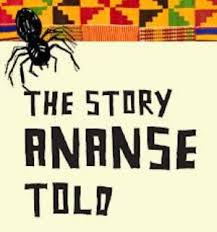
Martin Owusu’s play “The Story Ananse Told” blends traditional Akan storytelling with modern theatrical techniques, creating a rich narrative that explores themes of morality, leadership, and human weakness. At its core, the play uses the figure of Ananse—the well-known trickster of West African folklore—to frame a cautionary tale about greed, broken promises, and justice.
Themes and Moral Lessons
1. Greed and Its Consequences: The hunter’s transformation into a king, made possible by the magical antelope, symbolizes how power and opportunity can corrupt. His eventual downfall warns against the dangers of unchecked ambition, reflecting the broader consequences of greed within society.
2. The Significance of Promises: The hunter’s failure to keep his vows—especially his pledges not to reveal the queen’s identity or play the forbidden drum—demonstrates the fragility of trust and accountability. The play suggests that honor and integrity are crucial to maintaining order and harmony in both personal and political spheres.
3. Justice and the Restoration of Balance: The queen’s ultimate reversal of the hunter’s fortune serves as a form of poetic justice. Her actions reinforce the idea that wrongdoing leads to inevitable consequences, aligning with traditional African moral frameworks that emphasize balance and retribution.
Character Roles and Symbolism
1.Ananse as the Storyteller and Trickster: Ananse functions as both a narrator and a central figure in the story’s moral structure. His cleverness and ambiguity highlight the complexity of morality—where wisdom and cunning can serve both good and self-serving purposes.
2.The Hunter’s Rise and Fall: The hunter represents the archetypal tragic figure whose desire for power blinds him to ethical considerations. His fate reflects the timeless lesson that leadership requires responsibility and self-discipline.
3.The Queen’s Role in Justice: As a character with magical power, the queen embodies justice and order. She ensures that the hunter faces the consequences of his greed, reinforcing the play’s message about the inevitable triumph of truth and fairness.
The play also employs rich symbolism, such as the magical antelope, which represents fortune and divine intervention, and the forbidden drum, a metaphor for temptation and human weakness.
Akan Oral Tradition and Theatrical Style
Owusu’s play preserves and revitalizes Akan storytelling traditions through its use of proverbs, dramatic irony, and ritualistic elements. By integrating these oral traditions into a theatrical setting, the play bridges past and present, illustrating how folklore remains a vital tool for teaching moral and social lessons.
Conclusion
“The Story Ananse Told” is more than just a theatrical retelling of an old tale—it is a reflection on leadership, integrity, and justice. Through the trickster Ananse’s narration, the play both entertains and educates, ensuring that its moral lessons remain relevant across generations. Owusu’s work stands as a testament to the enduring power of African folklore and its ability to engage with contemporary themes in a meaningful way.
Folklore and Morality in Martin Owusu’s “The Story Ananse Told”

Byliteraturestudents0360
Mar 26, 2025