

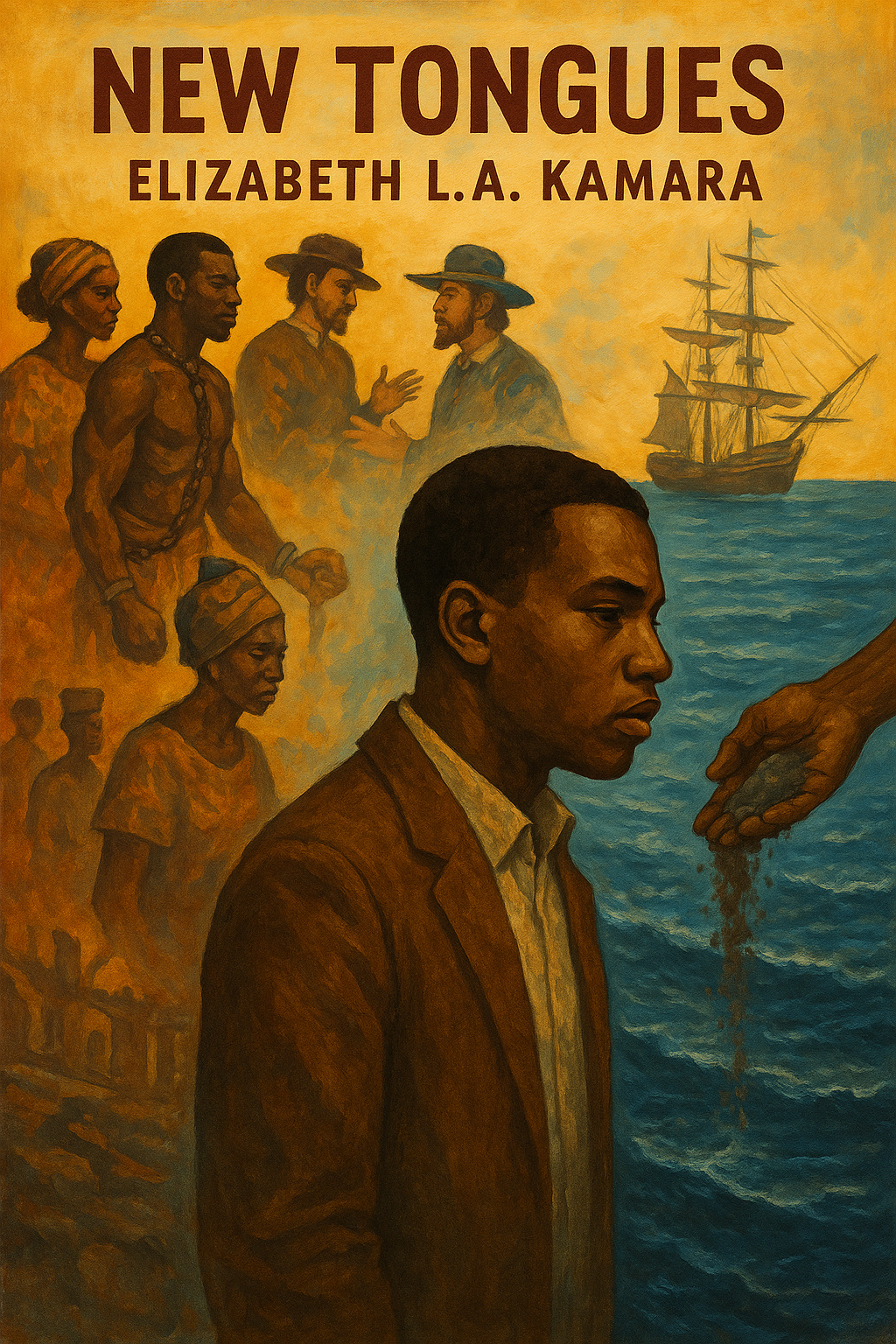
STRUCTURE OF THE POEM
The poem is composed of 46 lines and 4 structural stanzas.
The lines are a blend of enjambment and end stopped, capturing every moment of the ideas and emotions of the speaker. The poem is written in the third person point of view, with the use of “they”, in reference to the new generation. The Anaphora, “of” suggests emphasis of the spectrum of detachment attributed to the new generation.
POETIC DEVICES
Metaphor -Their minds turn inwards, Only inwards / Like the inside of clothes” These lines use the metaphor of clothes turning inside out to illustrate how the younger generation is introspective, self-focuses and detached from the outside world, including their cultural heritage.
Imagery – “A strange coldness descending like snow-covered mountain / Or like bathing at the back of the house / On a rainy July day” Kamara employs vivid imagery to evoke the sensory experiences of cultural loss and transformation. The lines create a stark, cold visual that symbolizes the alienation and discomfort associated with abandoning one’s roots.
Symbolism – “They hang the last lock on their culture” This line symbolizes the final abandonment of tradition, akin to locking away something precious and leaving it behind forever. 4. Personification “The guts of wind falling trees/Carting roofs away/Tugging skirts” These lines personify the wind as a destructive force, symbolizing the uncontrolled force of cultural change that uproots and displaces.
Repetition–
“Careless of bonds”, “Of family”, “Of tradition”, “Of heritage” The above lines repeat the word, “of” to emphasize the multiple layers of connection that the younger generation disregards. This repetition drives home the depth of their indifference.
MOOD/TONE
The mood of the poem is somber and reflective, evoking a sense of loss and nostalgia for disappearing way of life. The tone is critical yet resigned, as the poet observes the inevitability of cultural change and the indifference of the younger generation. There is a subtle undercurrent of sadness and disapproval as Kamara portrays the younger generation’s disregard for their heritage, but also a recognition that this shift is an unavoidable consequence of the passing time.
LANGUAGE AND DICTION
Kamara’s choice of language is both simple and profound, allowing the poem to resonate with a wide audience. The diction is modern and accessible, yet it carries a weight of cultural and emotional significance. Words like “borrowed”, “new”, “coldness,” and “lock” are carefully chosen to convey the theme of loss and disconnection. The language is straightforward but laced with a tone of melancholy and resignation, reflecting the poet’s lament for a lost culture. The poet also uses formal language to underscore the seriousness of the subject matter, avoiding slang or dialect to maintain a universal appeal. The poem is also characterized by metaphoric language, inciting readers to dive deep into the implications of those words and its relation to the issue at hand.
Credit to H.K OCRAN/ LiTTROVE