

STRUCTURE
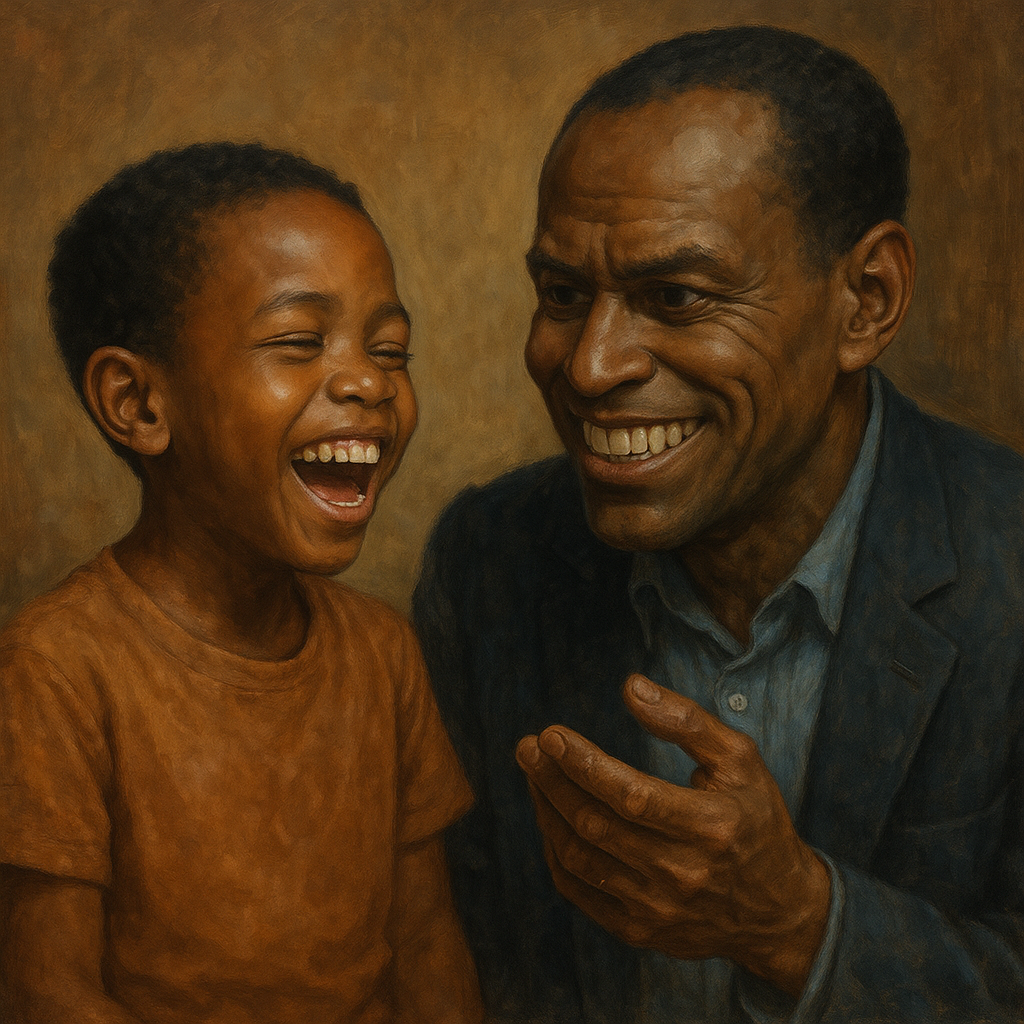
The poem is composed of 7 stanzas and 41 lines that ideologically run-on to depict the emotion and passion with which the speaker speaks. The poem is a narrative poem that tells the tales of old and contrast it with the tragedies of today. The lines are free-verse and that emphasises the free flow of serious concerns without the ‘pleasantries’ of rhymes. The poem is written in the first-person point of view (in reference to the use of the personal pronoun, ‘I’) to actualize the facts of events, as witnessed by the persona himself/herself. Though the 9 lines run-on freely, they are structurally punctuated by the use of exclamations and quotations, to express deep emotions and to state facts from the experiencer. The poem is a dramatic monologue as the persona speaks at length without response from the son.
POETIC DEVICES
Simile– “I have learned to wear many faces like dresses” (lines 20-21) The ‘faces’ of the persona are compared to dresses, in that he cycles through them based on where he is. He simply switches between the personality/face he puts on to conform to where he goes. “…with all their conforming smiles like a fixed portrait smile.” (lines 23-24) The persona’s several faces have smiles compared here to a fixed portrait smile. The smile a person puts on in a photograph or portrait of themselves is often not representative of the normal state of being of the person, and is also often uncomfortable and an exaggerated pretence of happiness- similar to the pretence the persona performs here with his several smiling faces. “my laugh in the mirror shows only my teeth like a snake’s bare fangs!” (lines 38-39) The father’s teeth are compared to a snake’s fangs because of the connotation of a snake- deception and deceitfulness. The father no longer shows sincerity when he laughs, and so his teeth are deceptive as they don’t reflect his true feelings. He himself becomes something like a snake through this deception.
Metaphor – “while their ice-block-cold eyes” (line 5) The eyes of the people are compared to ice-blocks in how cold and unwelcoming they are. It emphasizes how callous and unfeeling the people have become. “home face, office face, street face, host face, cocktail face (lines 21, 22)” Home, office, street, host and cocktail have been compared to faces to depict the deeper sense of pretense and conformation, while hiding behind one’s true nature.
Repetition– “Once upon a time…” (lines 1 and 43) This emphasizes the longing for the gone days.
Enjambment– This is when a line runs on to a new line without a stop or pause. “And I have learned too to laugh with only my teeth and shake hands without my heart.” (lines 25-27) “they used to laugh with their hearts and laugh with their eyes:” (lines 2-3) (There are many more examples in the poem)
Alliteration – “shake hands without hearts” (line 8) “…after being bored.” (line 32) “But believe me, son.” (line 33) Above shows the repetition of the consonant letters in each of them.
Personification– …their ice-block-cold eyes search behind my shadow (lines 5&6) The human attribute or capability of “searching” is given to the idea, “ice-block-old eyes”
Synesthesia – …they used to shake hands with their hearts (line 8) The sensation and function of the palm has been transposed to the heart.
MOOD/TONE The poem is presented in a general mood of reminiscing, regret and lamentation. The person’s tone is that of sadness and loss of hope due to his uncontrollable adaptation of new trends that lack genuineness and compassion. The poem also conveys a general mood and tone of nostalgia and longingness.
LANGUAGE AND DICTION
The poet’s language or choice of words connotes seriousness of ideas expressed in much emotions. Okara uses mostly metaphoric language to convey complex ideas and emotions. For example, the use of “ice-block-cold eyes”, suggests an ‘emotional seriousness’ and imagery. The language is also nostalgic and of tales. The use of “Once upon a time”, “used to”, “there was a time” suggest longing, and a travel into the past. This provokes serious reflection on how the beautiful life of people has been eroded by modernization. Moreover, the words, “Goodbye” and “Good-riddance”, “Feel at home, come again” “there will be no thrice…” implies a sudden shift in emotions and a conflict between intention and action – which amounts to hypocrisy. Furthermore, the language is rich in sensory details, with vivid description of human emotions, and personal experiences.
Credit to H.K OCRAN/ LiTTROVE