


REVIEW OF WOLE SOYINKA’S DEATH AND THE KING’S HORSEMAN
As part of Yoruba culture, when a king dies, his horseman, his favorite horse, and his dog must die alongside him. The story of Death and the King’s Horseman is centered on this cultural practice—an incident that took place years ago. At the opening of the play, the king has already died, and his Elesin Oba is set to kill himself as tradition demands. However, the play takes a different turn when the district officer interferes. Elesin Oba’s son, who had been studying overseas, returns and completes what his father began but could not finish.
Who is the Elesin Oba and why was it necessary for him to die?
In Yoruba, Elesin Oba literally means “the king’s horseman,” the one who follows the king. By custom, he must also follow the king into the afterlife. Why? Because the horseman’s life is tied to that of the king. He enjoys the privileges and honors of the king and therefore must accompany him in death. This is why Elesin Oba is deeply respected. The play belongs to the genre of tragedy. And as such Image Bureau and April Communication treated it as a tragedy.
This review is based on the first-night performance, specifically the 4:00 p.m. show. It covers the acting, set and props, costumes and makeup, sound and lighting, music and dance, audience participation, and finally gives an overall rating of the production out of 10.
Acting
The characters include Elesin Oba, Olunde, Iyaloja, Simon Pilkings, Jane Pilkings, the Praise-Singer, Joseph, the New Bride, Amusa, the Market Women, and other community members. Let’s begin with the main characters:
Elesin Oba
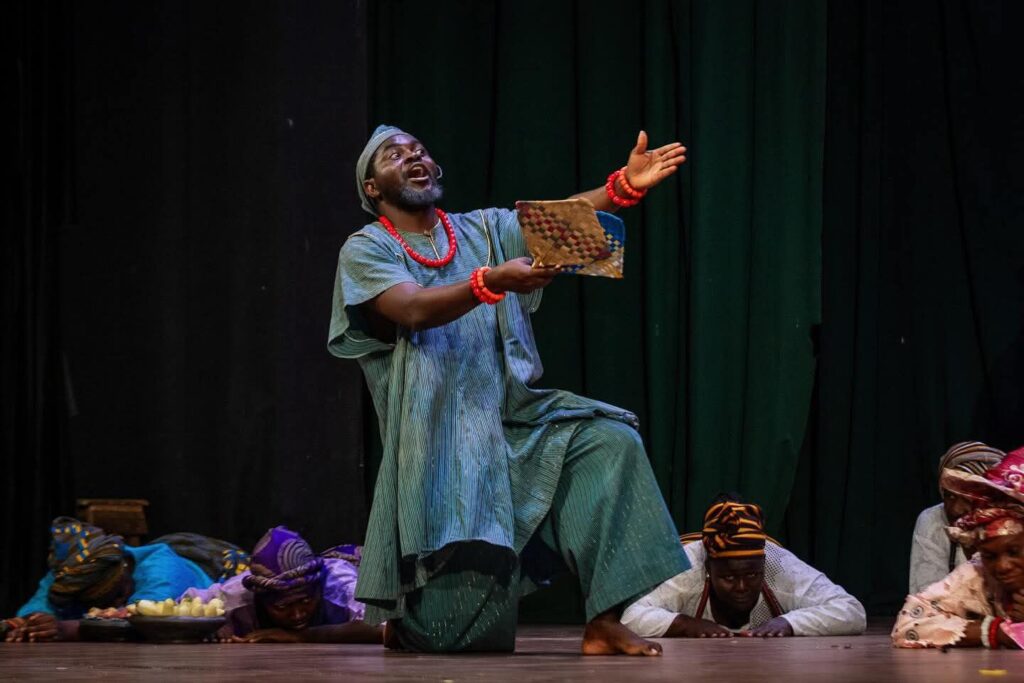
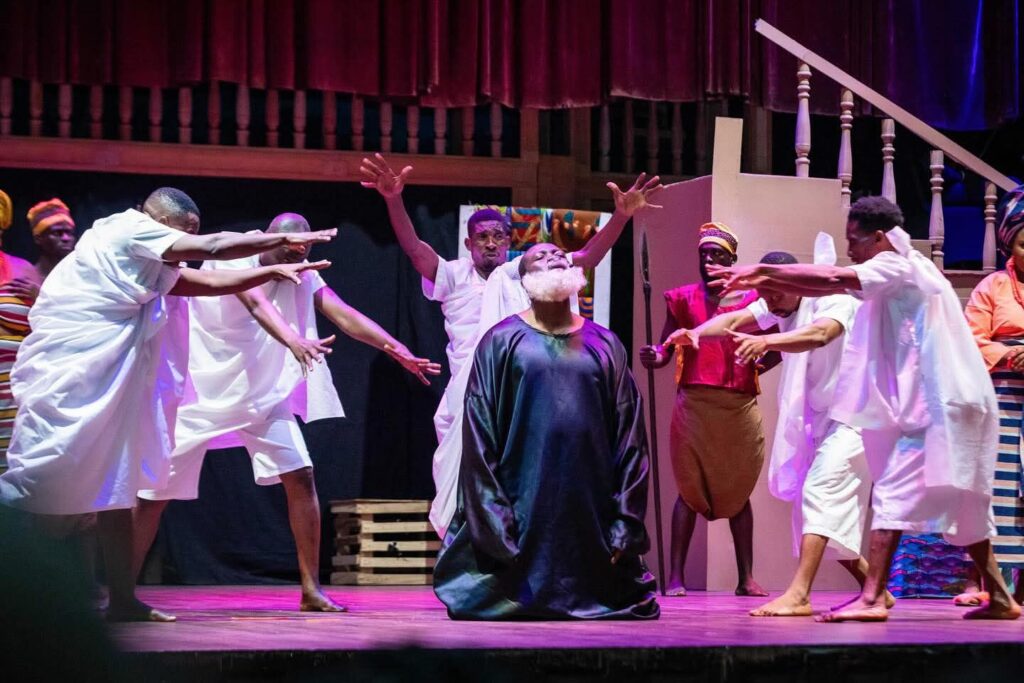
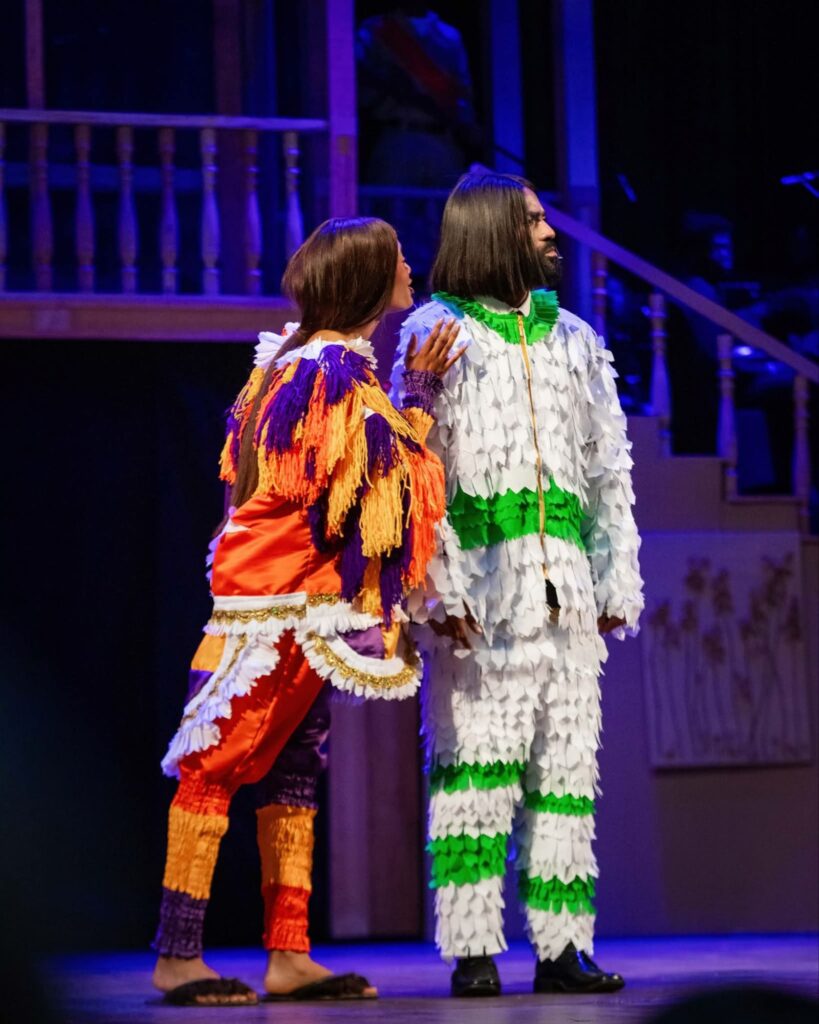
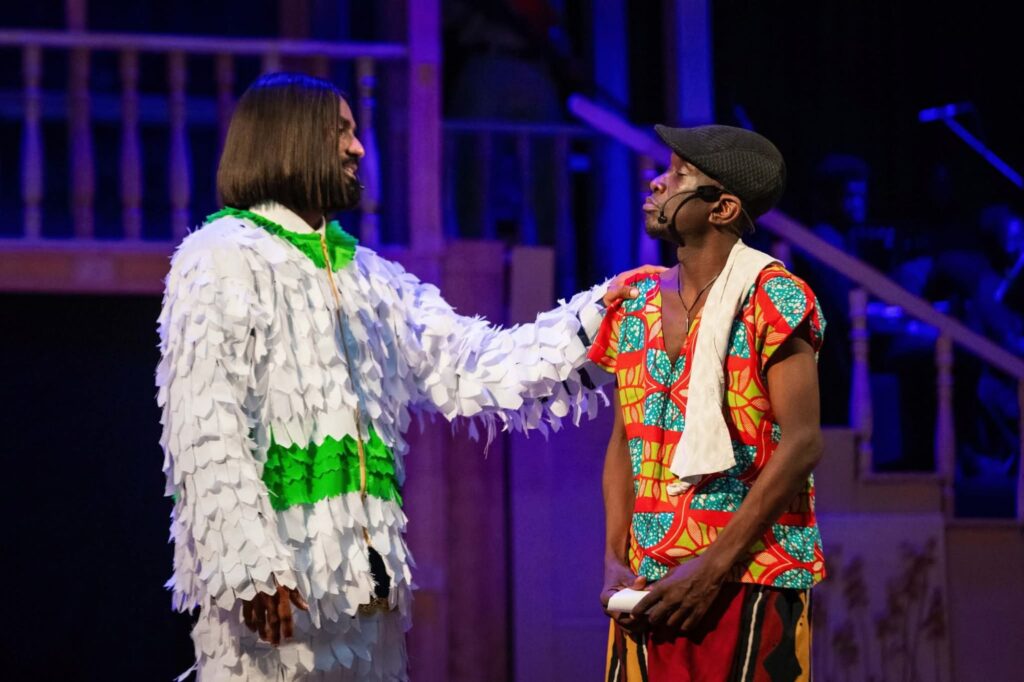
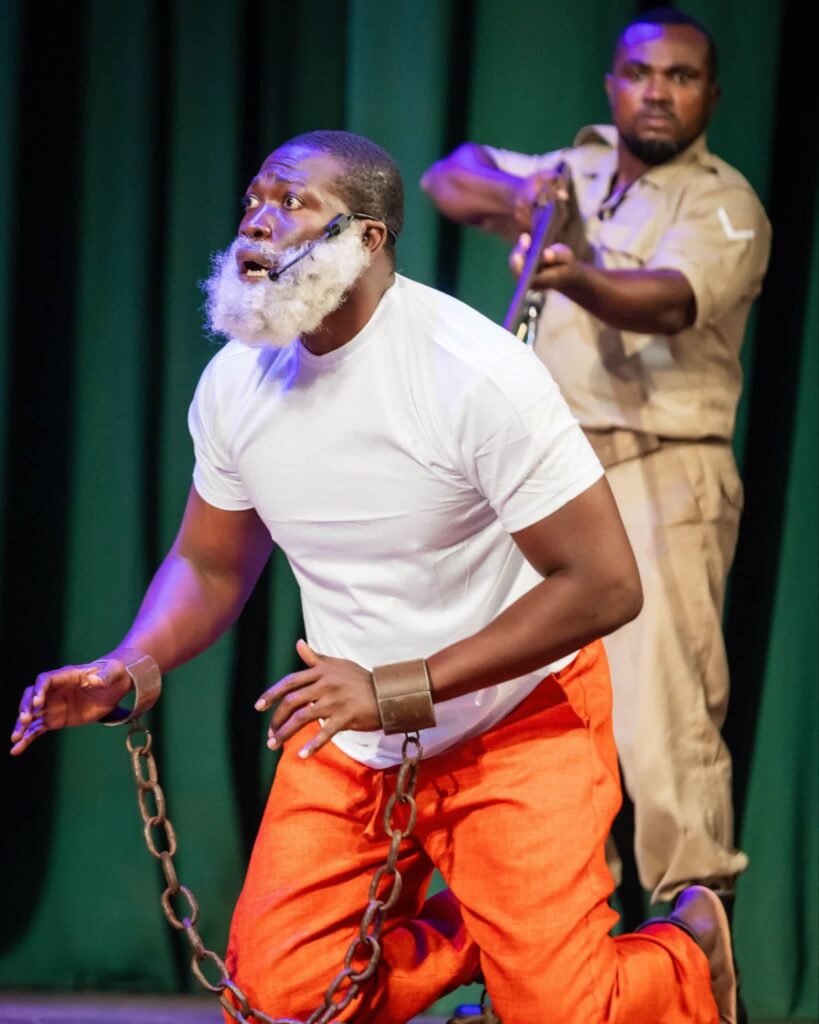
Casting Andrew Tandoh Adote in this role was a perfect choice. He embodied the character so well that one could almost believe he was the late king himself. His mannerisms, pronunciation, and delivery were flawless. I wasn’t surprised, having seen his previous work. What impressed me most was that he didn’t attempt to fake a Nigerian accent, despite the Nigerian setting and his many lines. Even more remarkable was the fact that he didn’t falter in any of his lines. Anyone who has read Soyinka knows how challenging his plays are, yet Andrew carried the audience along—even when we didn’t understand every word. His energy remained high throughout, and he was simply amazing to watch.
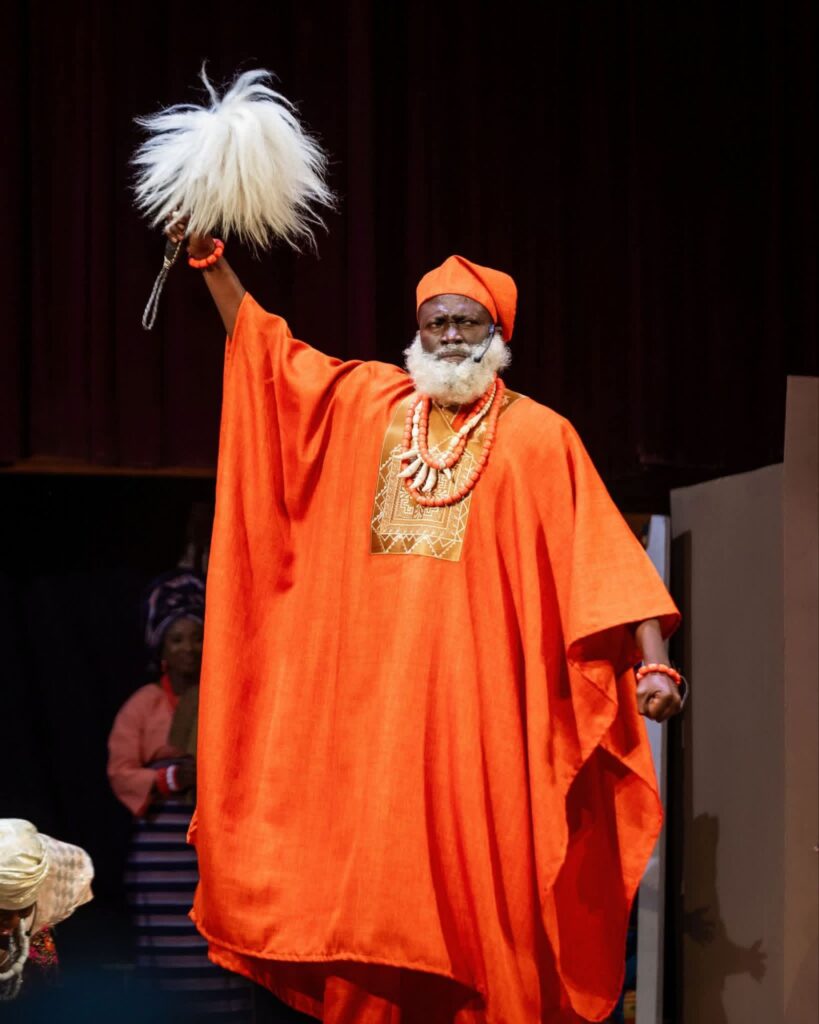
Andrew Tandoh as Elesin Oba
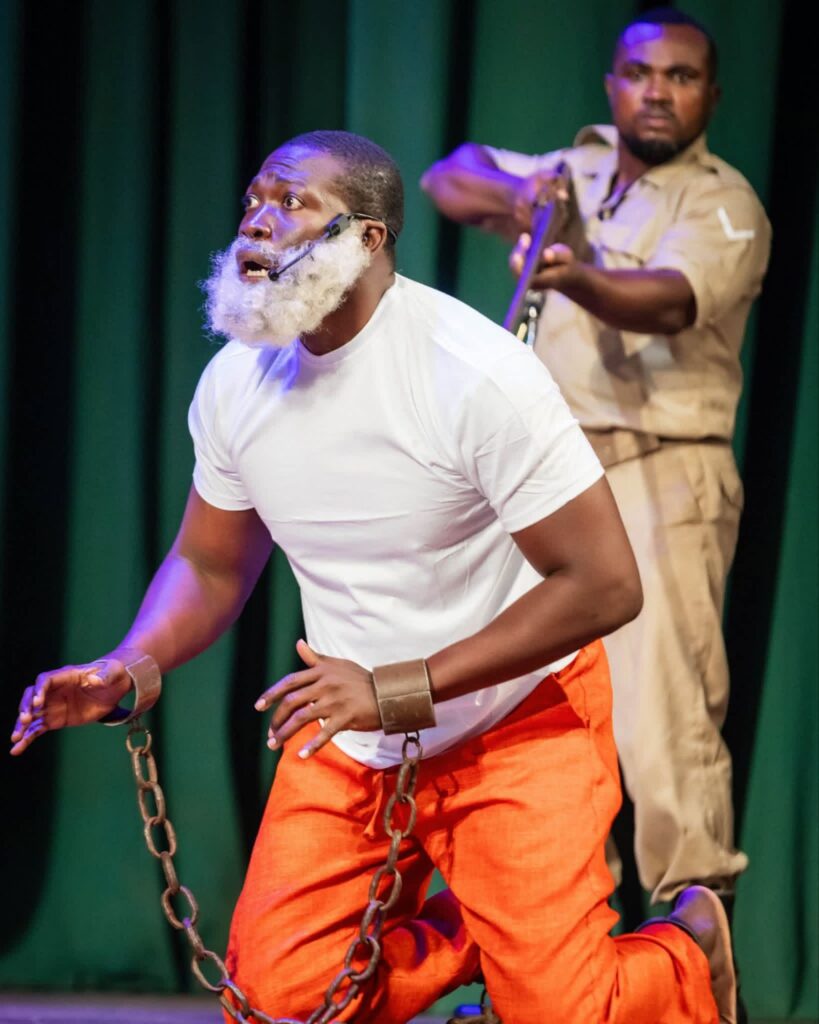
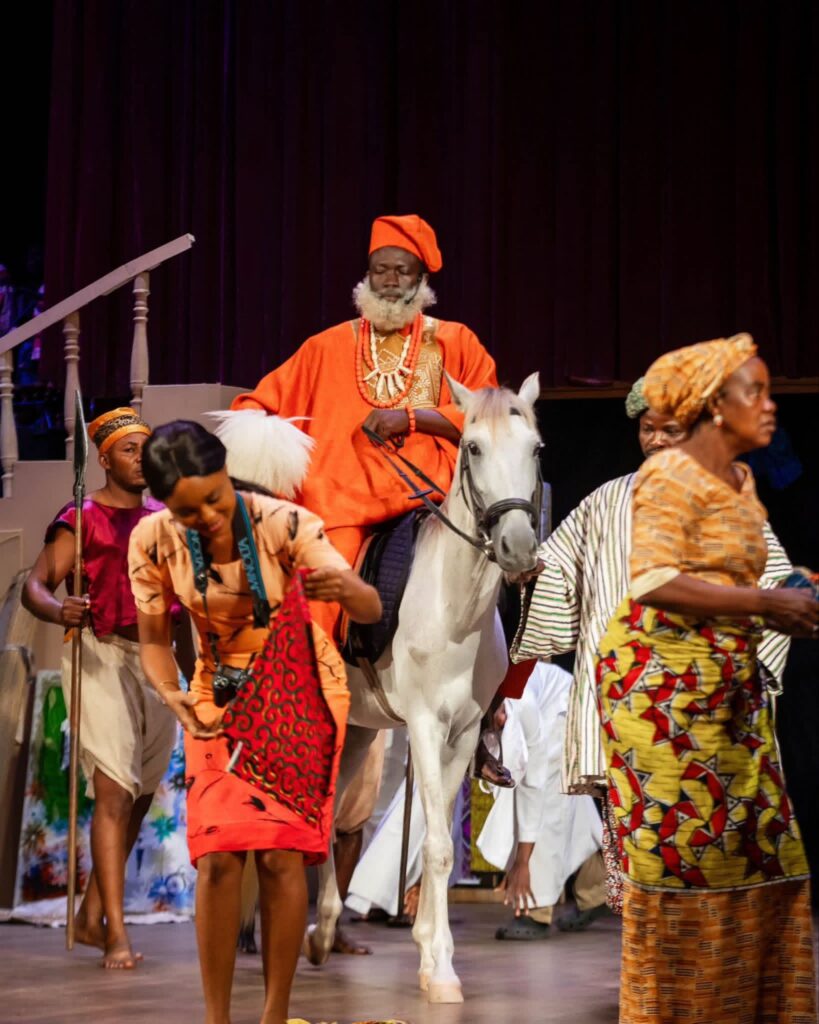
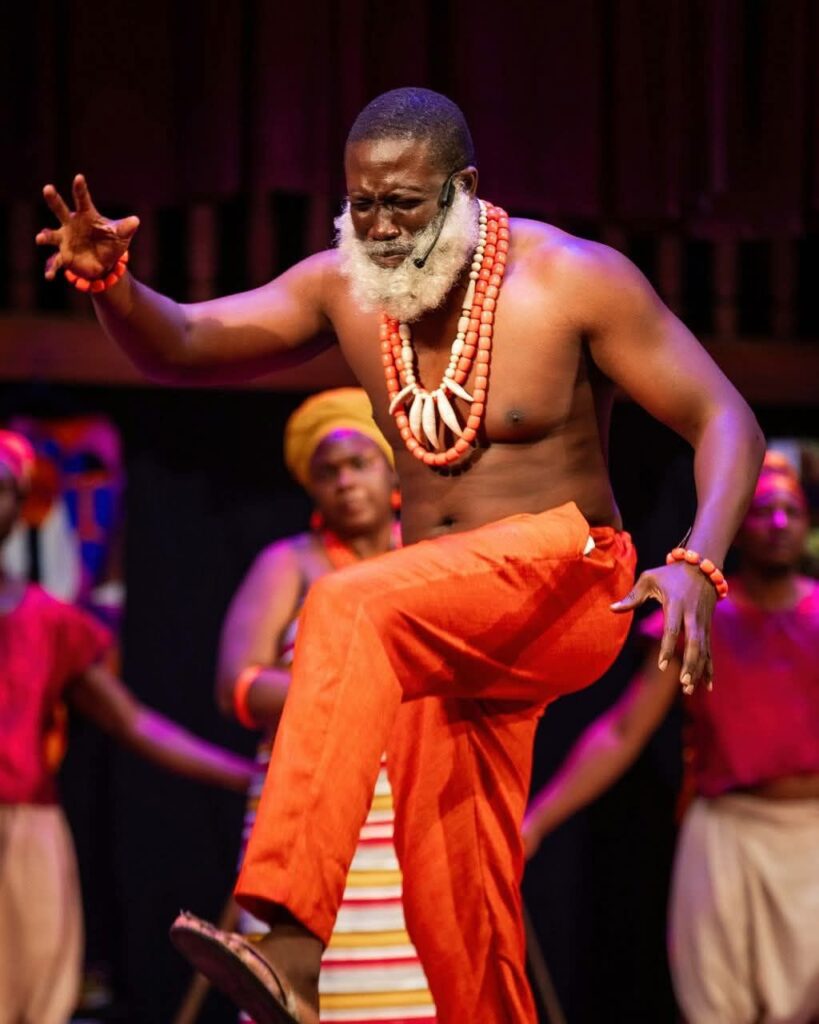
Andrew Tandoh as Elesin Oba
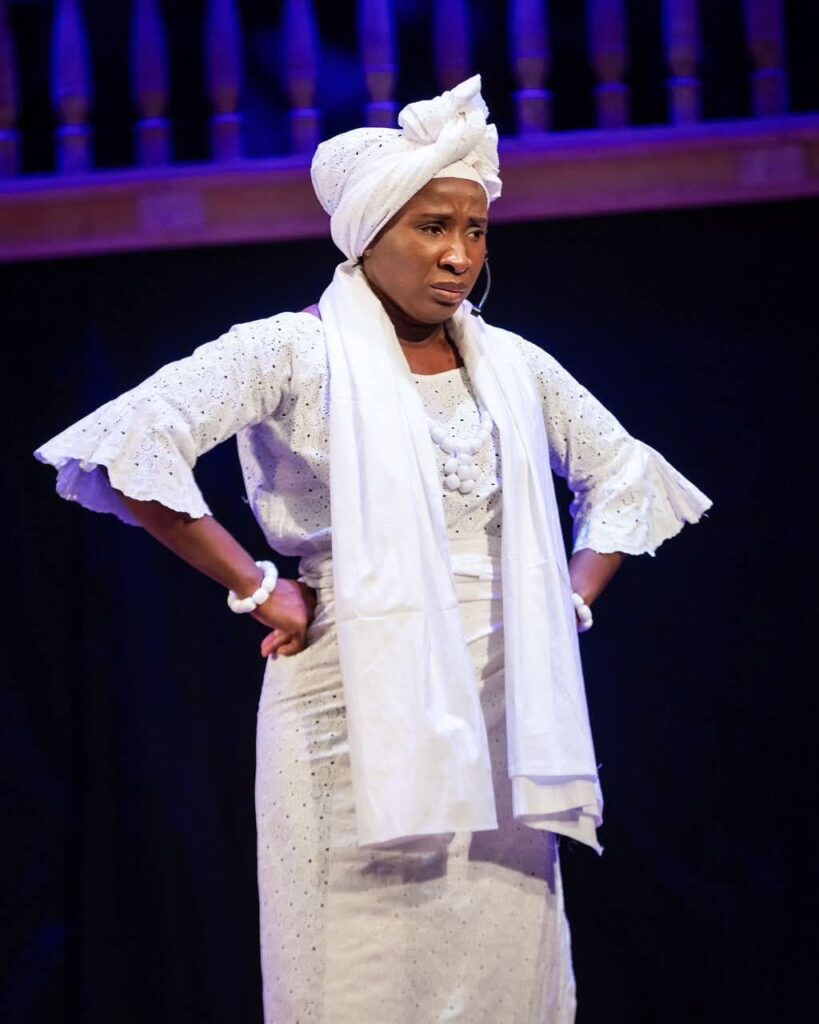
Iyaloja
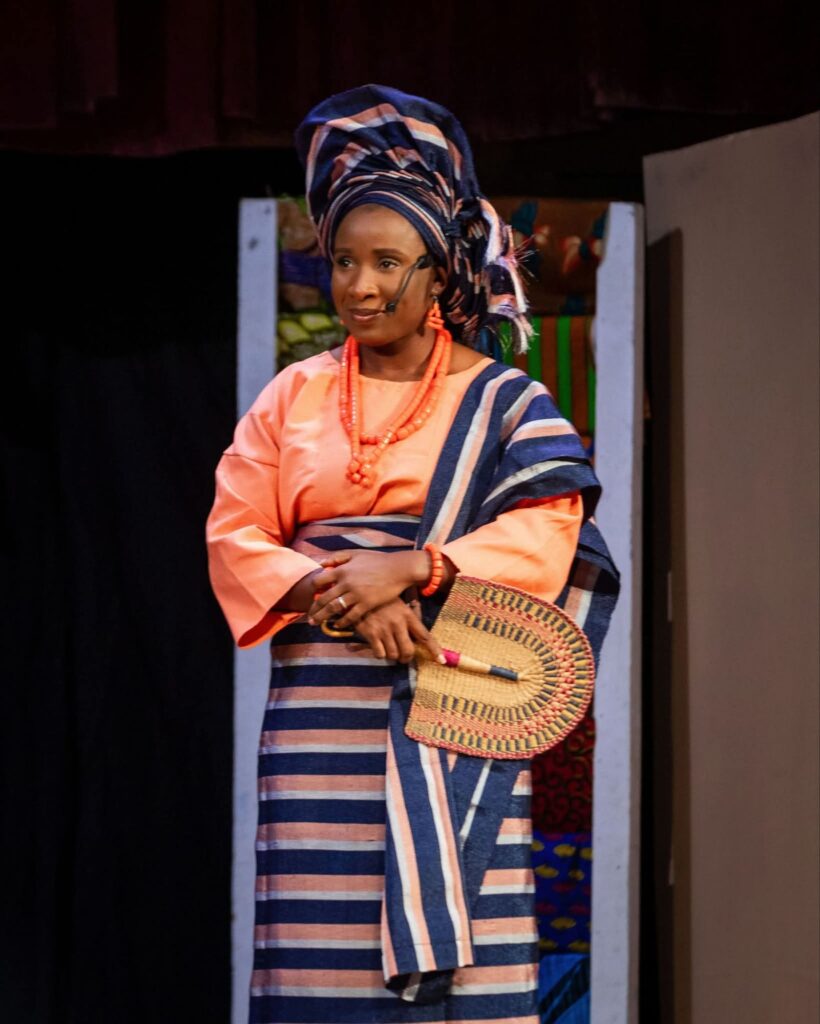
As mother of the community and the one who reminds Elesin of his duty, Iyaloja’s presence was indispensable. Casting Naa Ashokor for this role was a brilliant choice. Her commanding yet graceful presence captivated the audience. Even when she raised her voice, it wasn’t harsh but soothing—powerful yet controlled.
Jane Pilkings
I loved her accent and the ease with which she embodied her role, making her performance appear effortless. Her chemistry with Simon was remarkable. However, she occasionally spoke too quickly, which made some of her last words difficult to catch.
Simon Pilkings

Simon delivered his role with conviction. Although I didn’t always understand his words—through no fault of his own—his performance made me feel as though I did. His body language, subtle jokes, and expressions brought depth to the role. He was delightful to watch to the very end.
Olunde
The actor was a perfect cast. His height, complexion, and resemblance to Elesin may have been coincidence, but it worked beautifully. His accent was harder to place—not quite Ghanaian, Nigerian, or British—which was distracting at times. Nonetheless, his acting skills were unquestionable. Like genuine beads that are smooth and understated, Olunde’s performance was quiet yet powerful. Though his presence came later in the play, he left lasting smiles and tears when his lifeless body was brought on stage.
The Praise-Singer
The Praise-Singer stole my heart. He seemed to enjoy his role as much as the audience enjoyed watching him. His subtle repetition of Elesin’s last words added depth to his performance, and he resisted the temptation to overdo it, which could have turned him into comic relief instead of the dignified singer he was.
Amusa
The native policeman working under the British played his role convincingly. His accent felt authentic, and I appreciated that he didn’t attempt to force a Nigerian tone, which might have sounded awkward.
Joseph
The Pilkings’ servant served as comic relief amid the seriousness of the play. He understood his role and executed it well, balancing the tension on stage.
Resident
Had he been a prince on African soil, he might have dressed and spoken differently. Still, his calm demeanor and the authority in his voice distinguished him. His composure was admirable.
The Bride
Although she had no lines, she embodied her role perfectly. Her innocence and naivety were evident in every gesture. She radiated sweetness—calm yet expressive. Her affection for Elesin was so believable that I almost felt upset, until I recalled my own youthful feelings of first love.
Elesin oba’s wives
Just a glance at them and one could tell who they were—wives indeed! They carried themselves as such. I love the age gap between the wives, and of course, the loudest of them all happens to be the youngest wife. It is rather interesting to see how they all agree on issues. I also love the distinction between them; one can easily arrange them in order of who comes first to who comes later without any difficulty.
The Three Girls
The director’s casting here was excellent. Though they had few lines, they communicated volumes through their body language, making them memorable.
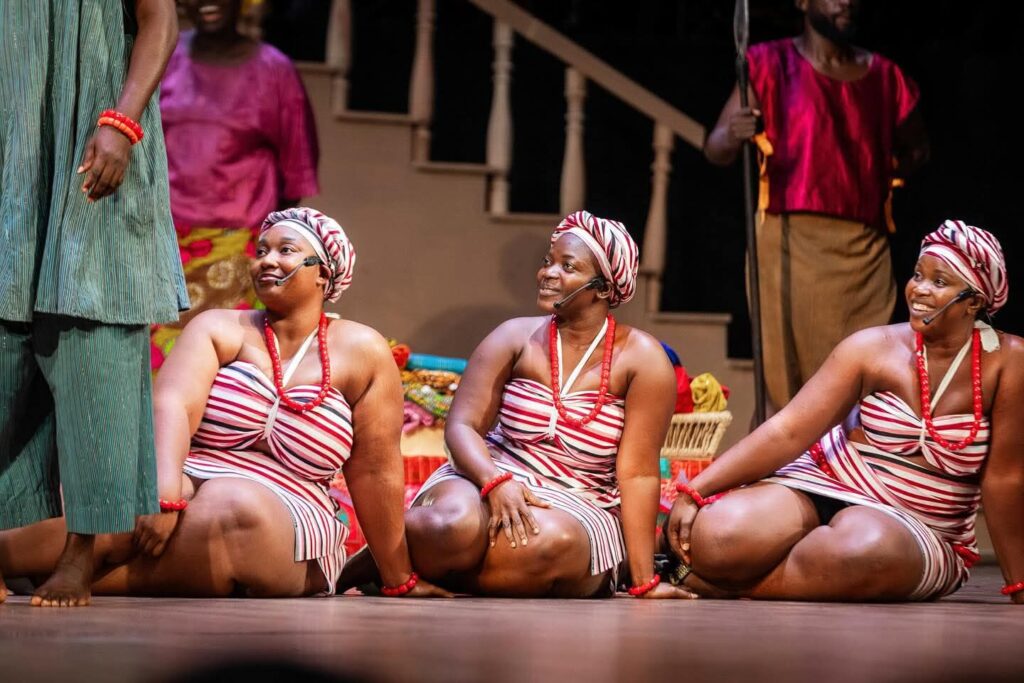
The Drummers, Market Women, Elesin’s Wives, and Dancers
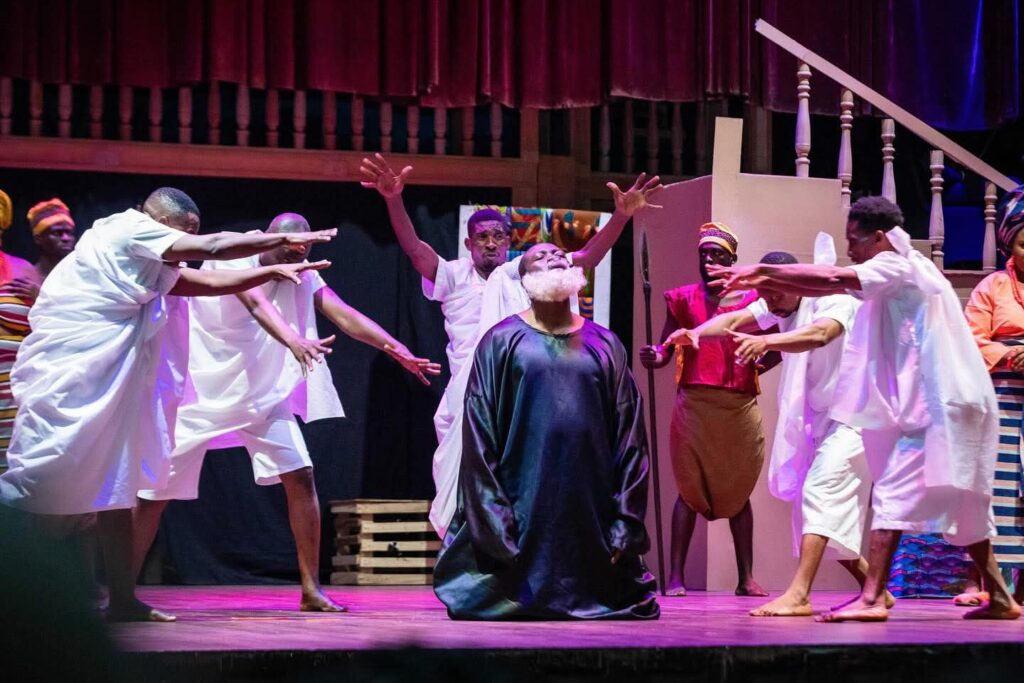
These performers brought vibrancy to the stage. Without them, the play would have felt flat. Their presence was engaging and seamless, particularly in the transitions between scenes. Watching them was pure delight.
Bob
Bob was entertaining, though his habit of shuffling side to side while delivering lines was distracting at times. Regardless, he was fun to watch.
Costume and Makeup
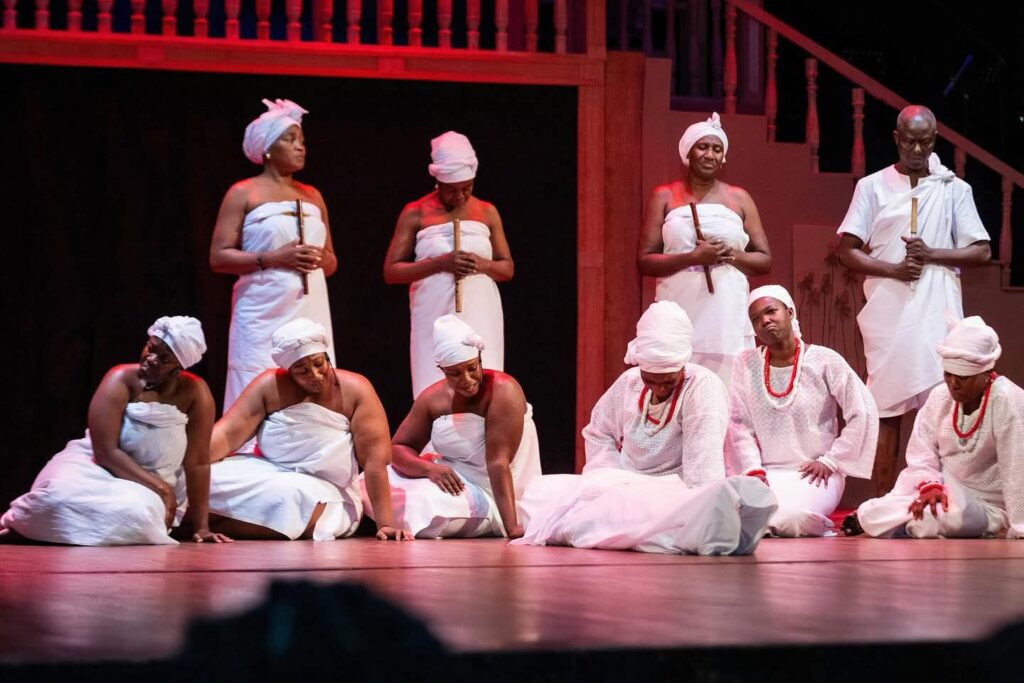
In theatre, costumes are not mere adornments but tools that help actors embody their roles, set the time and place, and convey meaning. The costume designer understood this assignment well. The costumes and beads were excellent, though I expected more elaborate gele for the market women in the opening scene. Yoruba women are famous for their grand headwraps, and I missed seeing that. Iyaloja, too, could have been dressed more elaborately, but perhaps the director wanted to present her as simple yet powerful. Elesin’s costume reflected his kingly aura appropriately. The fabrics, all African prints, warmed my heart and added color and authenticity to the stage.

Set and Props
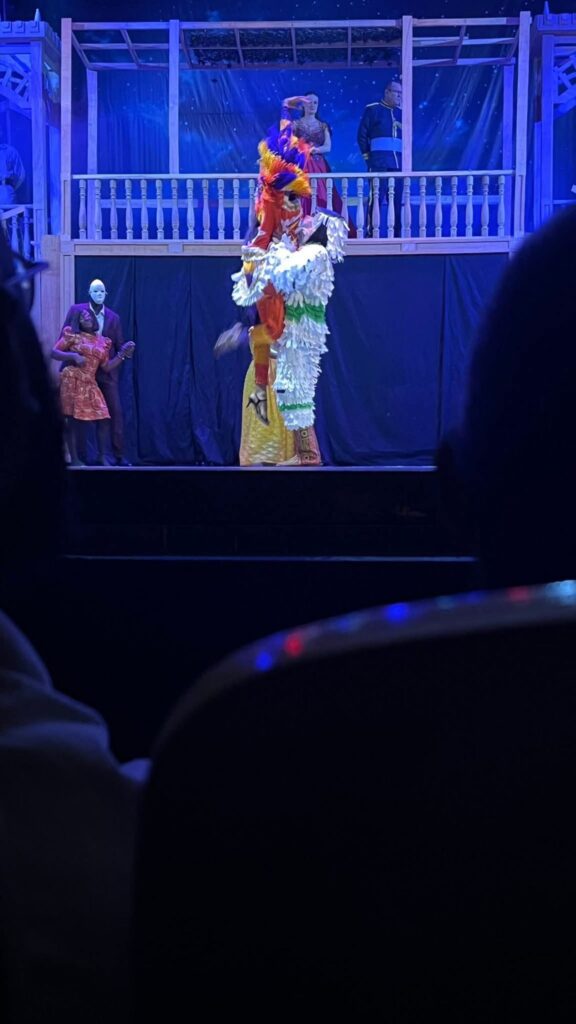
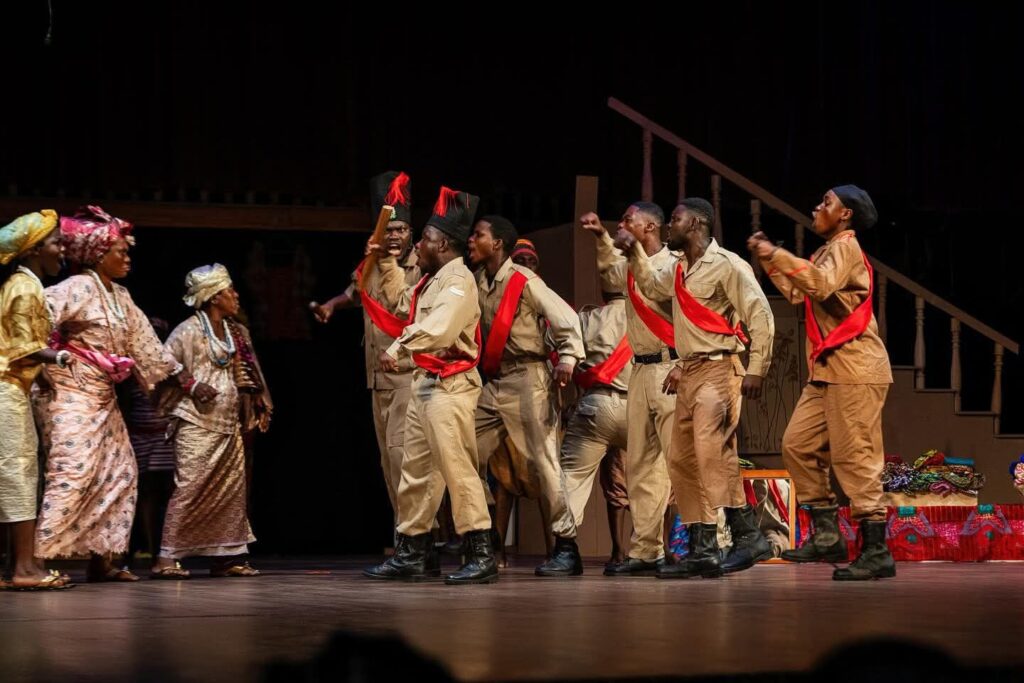
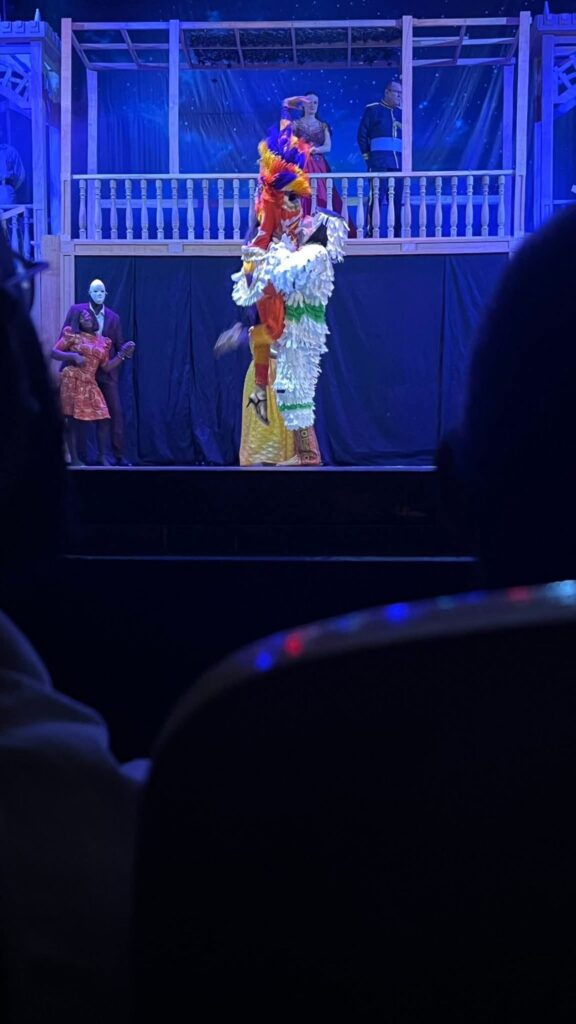
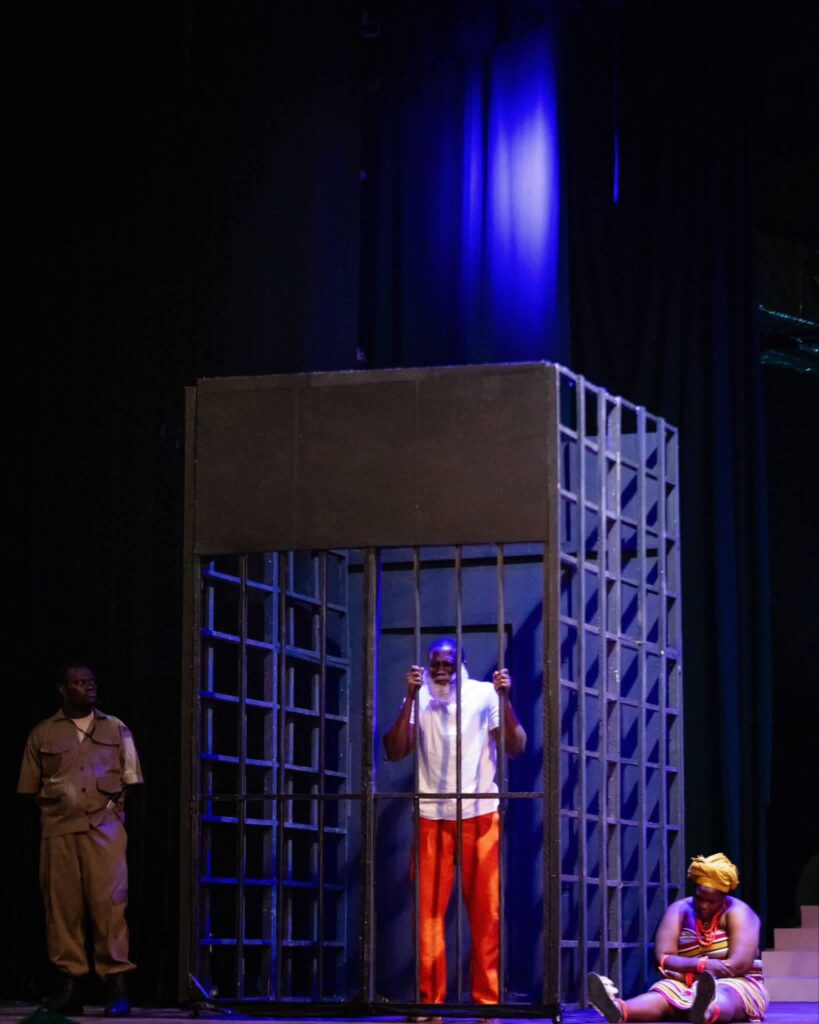
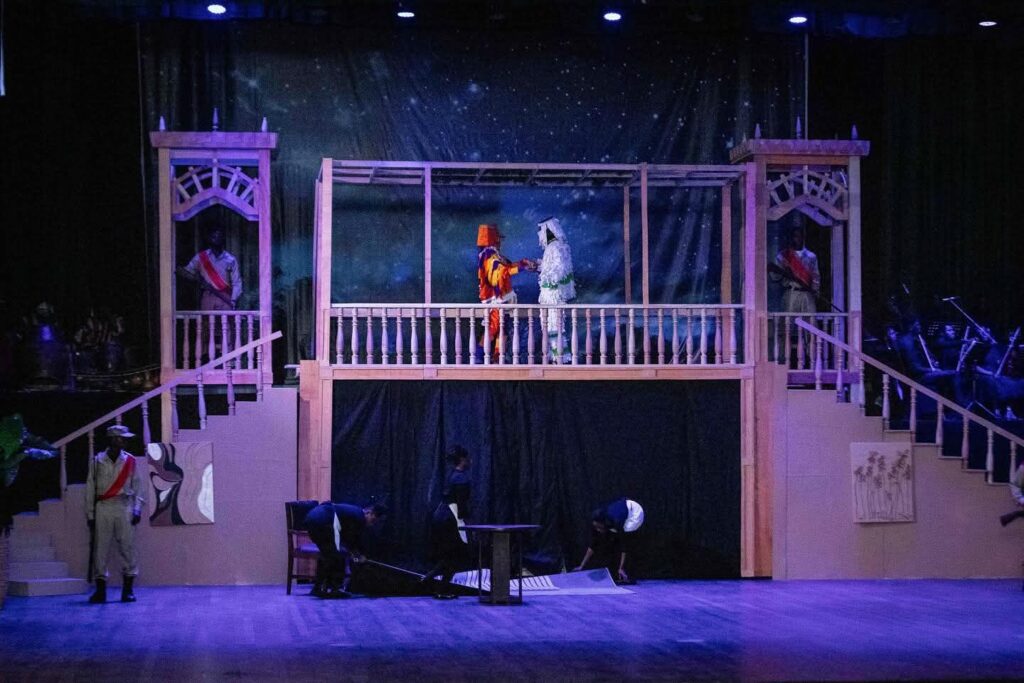
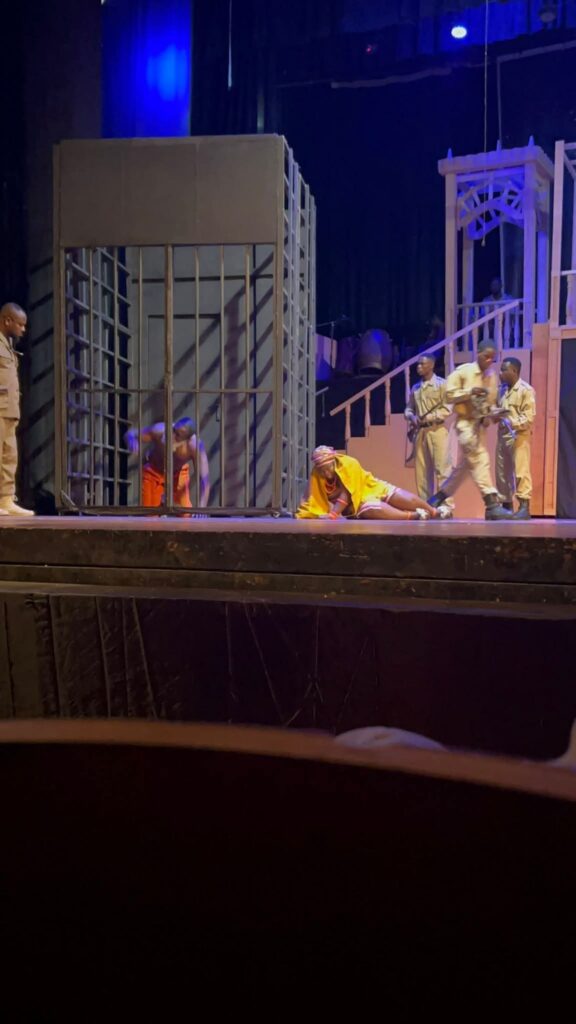
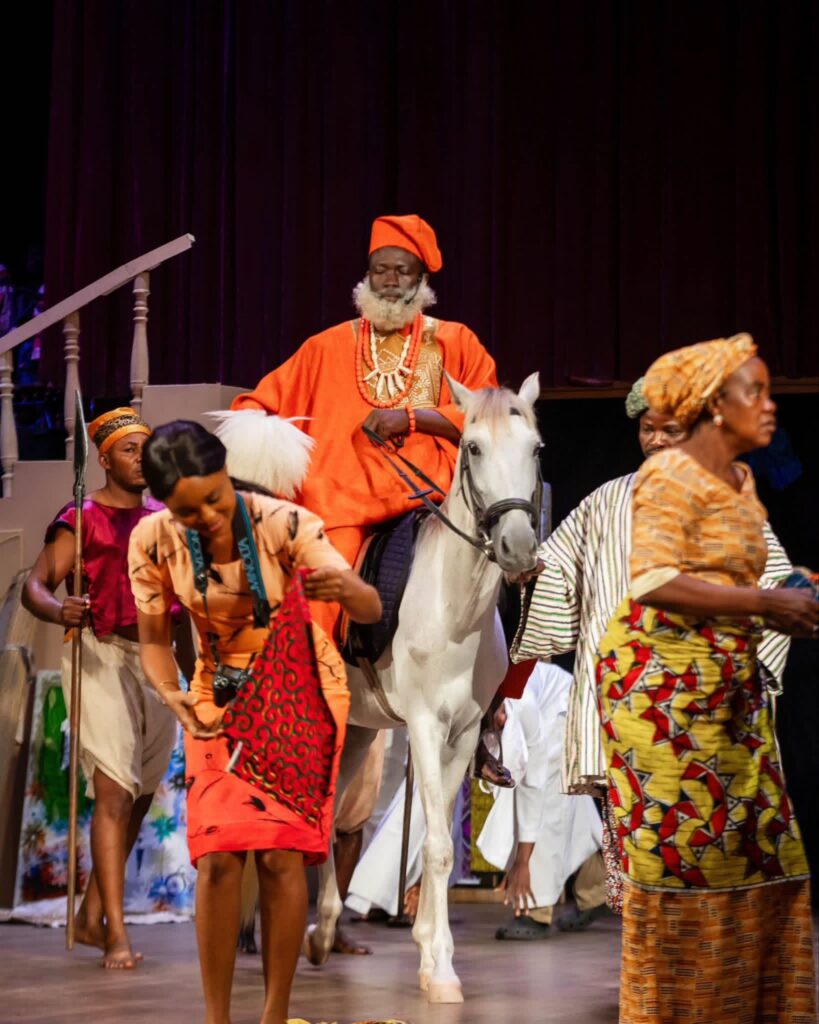
The set design was simple yet bold, effectively setting the tone and mood. The market women skillfully carried props on and off the stage, integrating dance into the transitions. Elesin’s entrance on horseback for the opening scene and curtain call was magnificent—his poise on the horse truly showed him as a horseman. Amusa and his men also made excellent use of their props, including their batons.
Light and Sound
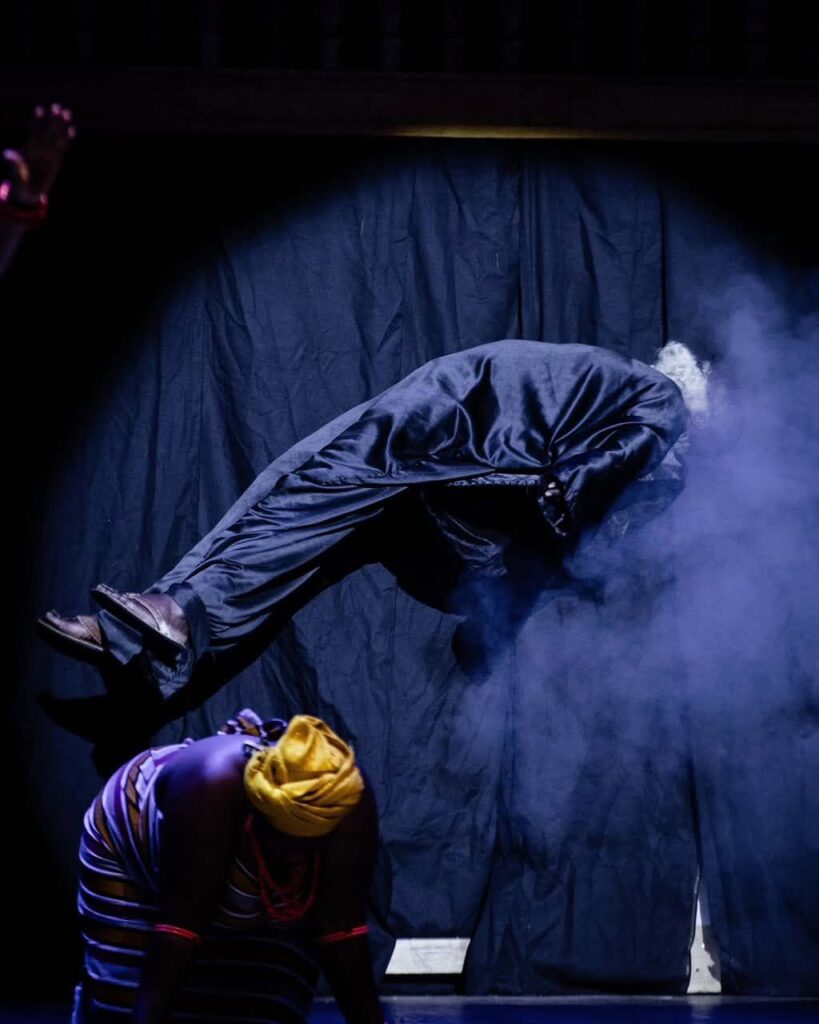
The lighting and sound design had mixed results. While some aspects underwhelmed me, the ritual scene was breathtaking. Seeing Elesin suspended in the air under a blend of blue and red light, accompanied by perfect sound and fog effects, created a hauntingly powerful atmosphere. The timing was flawless.
Dance and Music
This production offered a complete theatrical experience. The choice of songs and dance moves energized the play. Although most of the songs were in a language I didn’t understand, I enjoyed every moment of them especially the house music.
Audience Participation
The 4:00 p.m. audience was wonderful. Almost everyone was seated on time and fully engaged. When Olunde’s lifeless body was brought on stage, someone in the audience even cried out his name—proof of how deeply invested they were. This level of participation shows that the love for theatrical plays has been revived.
Conclusion
I love Wole Soyinka’s plays, though we all know that staging them demands sacrifice and hard work. I was pleased that the performance began with an unknown figure introducing the story and setting expectations. To keep an audience fully engaged and immersed is no small feat, so I commend the entire cast and crew. To the director—well done. Take your flowers. I rate this production 9.5/10
Written by Miriam Afoley Laryea, BA Theatre Arts,UEW.
From your detailed Reviewers (0272138148)