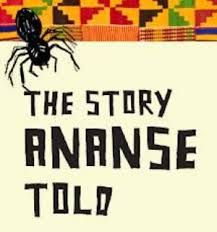
Synopsis of Martin Owusu’s The Story Ananse Told
In The Story Ananse Told, Martin Owusu presents a richly woven folktale narrated by Ananse, the cunning trickster figure of Akan oral tradition. The tale follows Osugyani, a lonely bachelor hunter who lives deep in the forest with only the severed head of an antelope he once shot. Before dying, the antelope begs Osugyani to hang its head on his wall and promises to one day repay him. The hunter agrees, and for the next forty years, a mysterious event occurs: whenever Osugyani leaves to hunt, the antelope head falls to the ground, transforms into a beautiful woman, and performs all domestic duties before returning to its inanimate state on the wall.
Unaware of the secret for decades, Osugyani eventually hides to uncover the truth. When he catches the magical woman in action, she agrees to become his wife on the condition that he never reveals her identity, never plays a specific drum hanging on the wall, and never falls for another woman. She then uses magic to transform Osugyani into a powerful king with a palace and subjects.
However, power soon corrupts the hunter-turned-king. He rules with cruelty, executing anyone who disobeys him. Ananse, always scheming, stirs doubt in the king’s mind and leads him to break his oath by playing the forbidden drum. This summons a monster king, who takes Osugyani away into the forest, throwing the palace into chaos. The queen searches for a magical tail needed to reverse the disaster and sends the royal linguist, Okyeame, to find it. Ananse again interferes, misleading the Okyeame and sending him to the house of monsters.
At the monster house, the Okyeame bargains for his life and promises riches in return for help locating the king’s palace and the magic tail. The monsters, learning of the queen’s condition that the king must never love another woman, disguise themselves as humans and enter the palace. One of the monster daughters seduces the king, causing him to break his second vow. The queen discovers the betrayal and strips the king of all his wealth and power, returning him to the life of a lonely hunter.
In a final act of desperation, Osugyani reveals the queen’s supernatural origins to the public, breaking the last of his promises. The monsters then reappear and drag both Osugyani and the Okyeame away to make a meal of them. Throughout the tale, Ananse remains the manipulative but untouched force, never facing punishment for his role in the king’s downfall.
The Rise and Ruin of Power: Tyranny in Martin Owusu’s “The Story Ananse Told”
In The Story Ananse Told, Martin Owusu explores the dangerous transformation of Osugyani from a humble hunter to a tyrannical king, using the rise and abuse of power as a central theme. The tale, narrated by the cunning trickster Ananse, serves as a cautionary allegory about the corrupting effects of unchecked authority and the moral responsibility that comes with leadership.
At the beginning of the story, Osugyani is a solitary and modest figure, living in harmony with the forest. His life changes dramatically when he uncovers the identity of a mysterious woman who has been cooking and cleaning in his absence, a magical being born from the severed head of an antelope he once spared. When she offers him kingship in exchange for keeping certain oaths, including secrecy, fidelity, and obedience, Osugyani accepts without question. This sudden elevation to power, without merit or preparation, marks the beginning of his moral unraveling.
Once crowned, Osugyani succumbs to the seduction of absolute power. His reign quickly becomes tyrannical, characterized by cruelty and ruthless enforcement. Any form of dissent is punished by execution, reflecting his loss of humanity and failure to govern with compassion. This transformation illustrates the tale’s core warning: power not grounded in humility and discipline inevitably leads to despotism.
Owusu’s storytelling critiques not just the figure of the corrupt ruler but the societal consequences of tyranny. Osugyani’s disregard for the Queen’s conditions, playing the forbidden drum and engaging in infidelity, reveals his belief that power places him above moral constraints. Yet, the tale reminds readers that supernatural power, like political authority, comes with conditions and consequences.
The Queen’s role in reversing his kingship after he breaks his vows reinforces the idea of moral accountability. She embodies justice, restoring balance when power has been abused. The final transformation of Osugyani back into a penniless hunter serves as poetic justice, a symbolic return to the self he abandoned.
Ananse, ever the trickster, plays a subtle yet pivotal role in the king’s downfall. By planting seeds of doubt and orchestrating temptation, Ananse demonstrates how fragile a leader’s integrity can be when tested. This manipulation further underscores that true strength in leadership lies not in control over others but in mastery over self.
In conclusion, Owusu’s The Story Ananse Told uses Osugyani’s rise and fall to highlight the destructive potential of unearned power and tyrannical rule. Through a blend of folklore, magical realism, and moral allegory, the tale warns of the thin line between rule and ruin, and the heavy burden that comes with the crown.
Written by
Obed Yaw Agyei