

STRUCTURE OF THE POEM
The poem is originally a 626-line narrative poem and a beast fable that reveals human foibles in the society. It combines humor, satire and moral allegory. The mock-heroic form elevates the simple tale to epic proportions, creating a humorous juxtaposition between the trivial and the grandiose. Chauser’s use of elevated language and epic conversations in describing the barnyard events adds a layer of irony that enhances the satirical impact of the tale. It is a narrative poem in the third person point of view with regular rhymes at intervals.
POETIC DEVICES
- Irony: The tale is replete with irony, from the mock-heroic treatment of the barnyard events to the contrast between Chauntecleer’s grandiosity and his mundane surroundings. This irony serves to underscore the moral lessons and enhance the humour of the narrative. For example, in the lines – “Repletion never left her in disquiet” is an irony that lies in the contrast between the widow’s simple, sparse meals and replication (excessive fullness)
- Allusion: Chaucer alludes to classical and biblical sources, enriching the tale with references that would resonate with contemporary audiences. These allusions lend an air of erudition to the Nun’s Priest’s narrative, even as they contribute to its comic effect. For example: “The equinoctial wheel and its position” alludes to the astronomical knowledge, highlighting Chanticleer’s remarkable abilities.
- Personification: The anthropomorphism of the animals allows Chaucer to explore human traits and behaviours in a playful and accessible manner. This device enables the moral lessons to be conveyed through the engaging actions of the characters. An example is – “His voice was jollier than the organ blowing in church on Sundays” personifies Chanticleer’s voice is personified, given human-qualities of joy and comparison.
- Satire: The tale satirizes human foibles, particularly pride and gullibility. By placing these traits in the context of barnyard fable, Chaucer highlights their absurdity and encourages reflection on human nature.
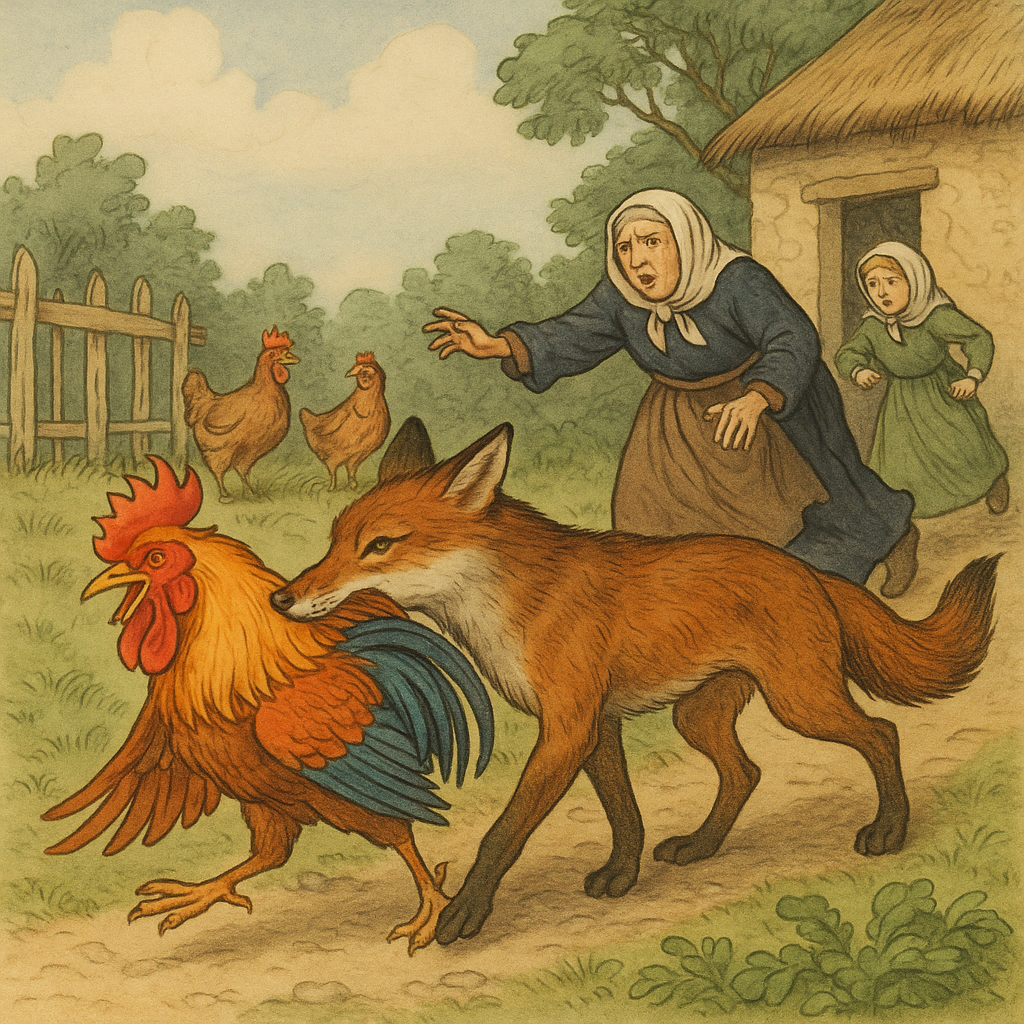
- Symbolism: The characters and events in the tale symbolize broader human experiences and moral truths. Chauntecleer’s vanity, the fox cunning, and the chaotic chase all serve as symbols for various aspects of human behaviour. For example, Chanticleer, the rooster, symbolizes pride, courage and virility. The widow’s simple cottage also symbolizes her humble, self-sufficient lifestyle.
- Imagery: Chaucer’s vivid descriptions of the barnyard and its inhabitants create a rich tapestry of images that bring the tale to life. The detailed depiction of Chauntecleer and Pertelote, in particular, adds depth to the characters and enhances the reader’s engagement with the story. For example, “His bill was black and shone as bright as jet” emphasizes Chanticleer’s striking physical appearance.
- Simile: “His comb was redder than fine coral” compares the comb of the rooster with fine coral using, “then”.
MOOD/TONE
The tone of the poem is predominantly humorous and satirical, with an underlying seriousness in its moral lessons. The mood fluctuates between lighthearted and tense, particularly during the chase scene, creating a dynamic and engaging narrative that keeps the reader entertained while prompting reflection and human nature.
LANGUAGE AND DICTION
Chaucer’s use of Middle East, with its rich vocabulary and nuanced syntax, lends authenticity to the narrative. The elevated diction employed in the mock-heroic passages contrasts humorously with the rustic setting, reinforcing the tale’s satirical tone, Chauser’s skillful use of dialogue captures the personalities of the characters and adds to the comic effect of the tale.
CREDIT TO H.K OCRAN/ LiTTROVE